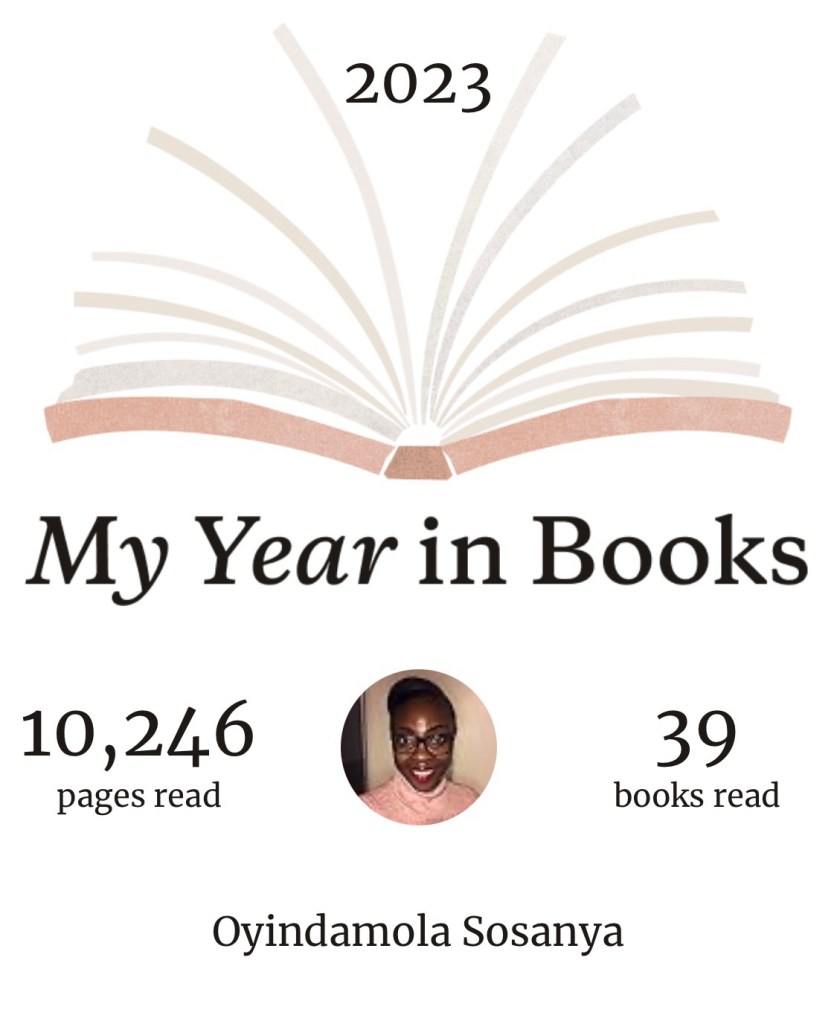
Oyindamola’s 2023 in Books

My 2023 In Books

The end of the year is a time for reflection; what’s worked, what didn’t and what can be improved for the year ahead.

This exercise has really evolved for me over the years but one of the most satisfying yearly recaps ( which I missed in 2022) is to write about the books I read during the year.

The starting point is looking through the books I completed from the reading challenge I set myself on GoodReads.

As you can see from the picture below this has varied but have often acted as a baseline for the number of books I would like to read in the coming year.

Reading challenges 2019-2022

Meeting my numerical goal is however not the only basis for how I assess how my reading year has gone. I also assess it based on enjoyment levels, discovery of new stories, genres, authors, subject areas and perhaps most importantly the IMPACT the books had on me spiritually, emotionally and intellectually.

My 2023 challenge

This year I set myself a challenge of 40 books and might possibly get to 40 by the 31st 😁( highly doubt it but will try). Normally I would catalogue the books that had the most impact on me but there is a slight spin this year; I am adding an author who had the most impact on me as well.
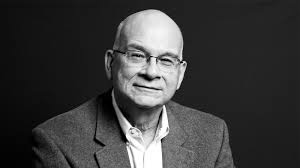
Timothy J Keller

Timothy James Keller was an American pastor, preacher, theologian and apologist who unfortunately died in May 2023 at the age of 72.

Theology (the study of the nature of God and religious belief) has always been a subject that has held my curiosity. I have always struggled with the idea that faith and reason have to be mutually exclusive and stumbling on the work of various theologians further expanded my curiosity on the subject.

Faith by its very basis is not very logic based. That said, I had always suspected that being a person of faith did not mean you were never meant to question or think about the basis of your beliefs.

One of the first books I ever read on the topic was CS Lewis’s Mere Christianity. This book from the well acclaimed atheist turned Christian was pivotal for me as it opened up a plethora of ideas on scripture and how to approach elements of what it taught practically.

Mere Christianity gave me some valuable insight but then I listened to a Tim Keller podcast and thought “Now who is this person who is able to explain in layman terms some of the questions I have that most people shy way from ”

I must add here that there might be some areas of christian doctrine that I might disagree with Keller but his writing and ministry have been very pivotal for me in navigating those questions that most people have when it comes to matters of faith.

I had read a number of his books previously and even did a review of his book, Every Good Endeavour and how it changed my outlook to work and faith.

Read Blog post

When I learnt that his illness was critical and then of his eventual death in May, it reinforced my resolve to read more of his books. I read 6 of his books in 2023 with one being a re read.

I cannot find the words to articulate how much these books have had an impact on me this year. All of the books had different central ideas, but the overarching idea of most of Kellers books is; God is at the center of all things, and Jesus is the pioneer and perfecter of the Christian faith.
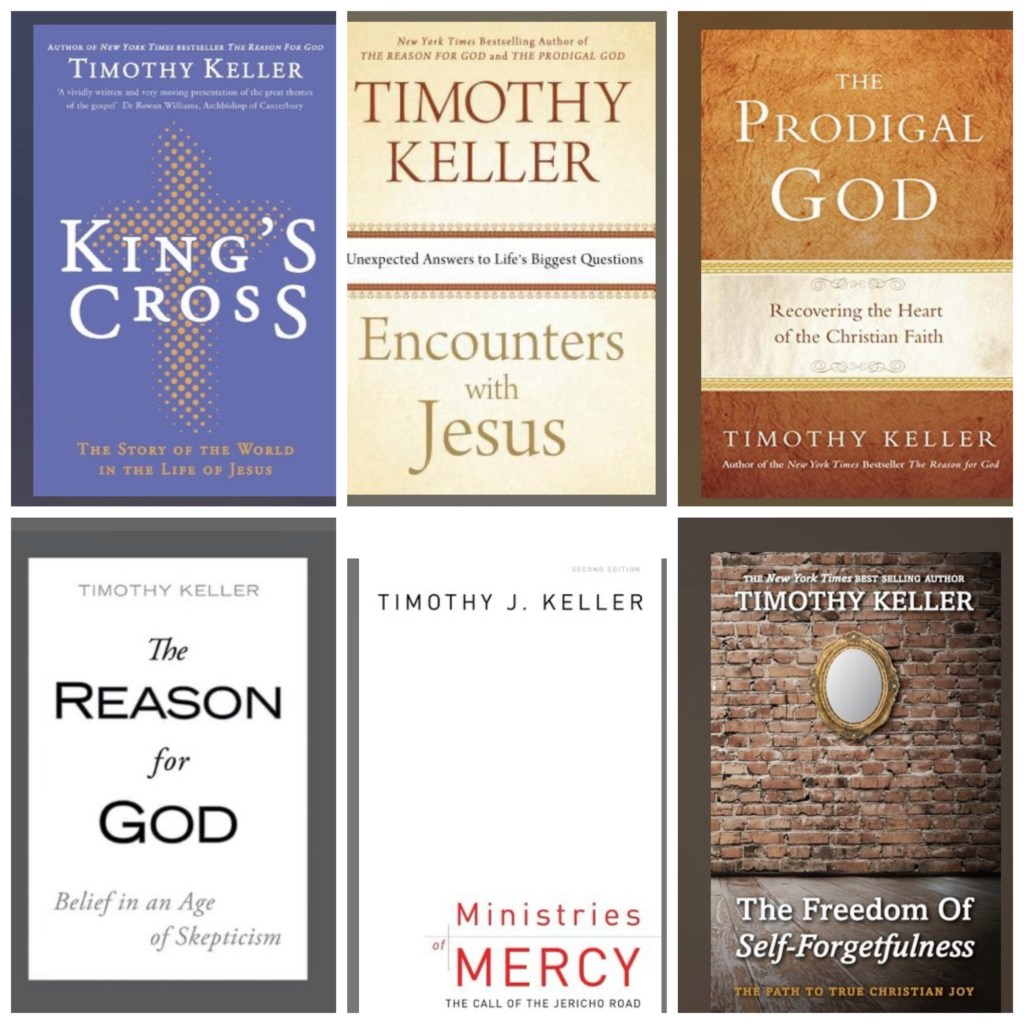
I took something away from most books but one of the most profound was from The Prodigal God . It reinforced to me how much self righteousness exists in the church and how it isn’t recognized because we are constantly feeling superior to others esp those who believe differently.

The Reason for God is one I would recommend for both believers and non believers if you have ever had any questions or doubts about( something most believers don’t like to admit) some of the ideas in the Bible.

The Ministries of Mercy should be read by anyone in ministry who feels burdened by taking the church back to the basics and ministering to the least of these.

The Freedom of Self forgetfulness is just 46 pages but delves a lot into how much our ego and how we are perceived can be a prison and how self forgetfulness( which does not mean don’t care about yourself) could be the way out.

This blog post is already getting longer than intended so pls check out my GoodReads profile for my thoughts on the others Oyindamola GoodReads.
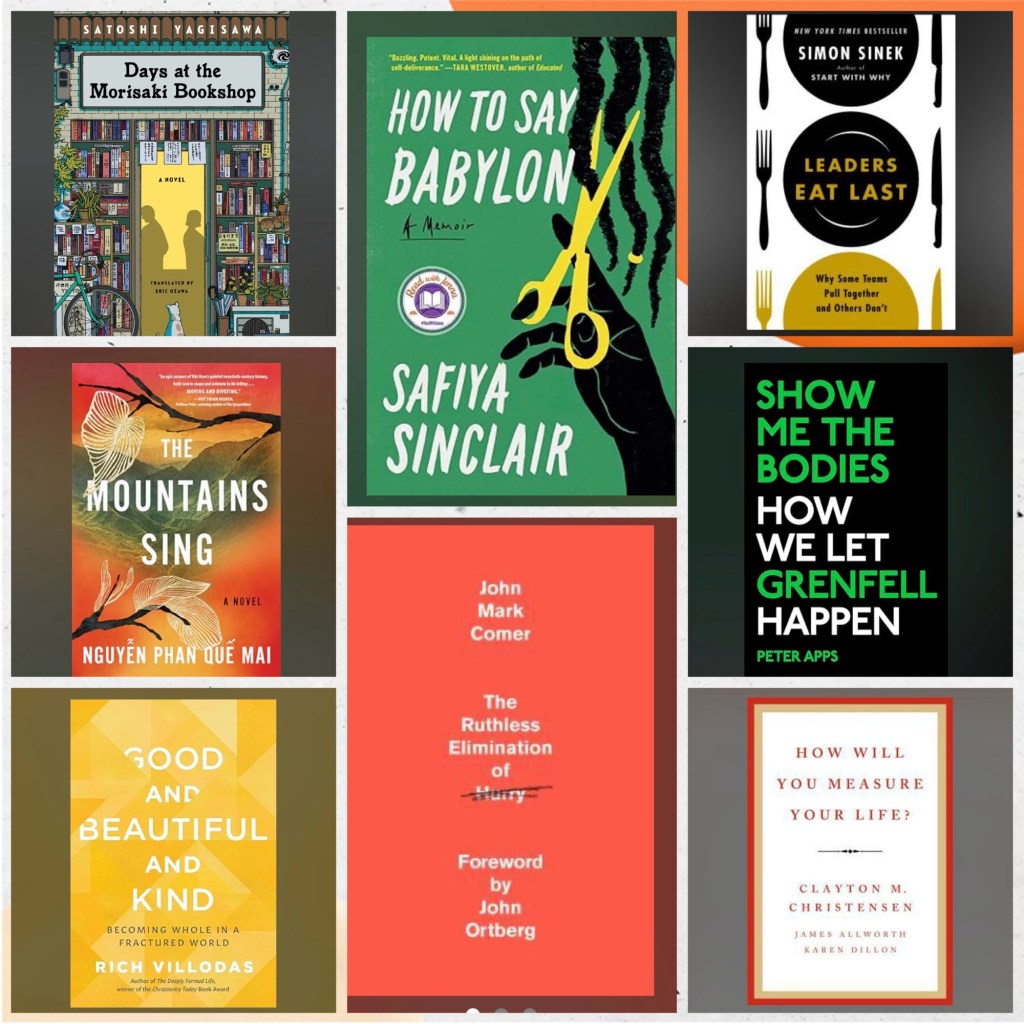
My ‘Other’ Most Impactful 2023 Reads

Tim Keller wasn’t the only author that had a profound impact on me in 2023. When I say profound impact, I mean books that made me think, feel or act differently after reading. All of the books pictured above did that for me.

I finished reading Days at The Morisaki Bookshop and it reinforced some of my visions and dreams for the future.

Show me the Bodies was difficult to read but it made me resolve that paying attention to detail in my work made a difference and caring about the work that we do should be the norm as it translates to how we do it and in turn impacts those we serve. I would recommend it to anyone who works in the social housing sector.

The Ruthless Elimination of Hurry made me resolve to stop rushing and savor the moments. It made me realise how much hurry impedes spiritual awareness both with God and the people around us. The quote below from Corrie Ten Bonn really resonated with me

if the devil can’t make you sin, he’ll make you busy. There’s truth in that. Both sin and busyness have the exact same effect—they cut off your connection to God, to other people, and even to your own soul.

The Ruthless Elimination of Hurry

Good, Beautiful and Kind reinforced that kindness is the default state of a Christian and can only come from a heart that chooses to dwell on the good.

Leaders eat last gave me some really good insights on servant leadership and how this translates to empowering teams. Nothing earth shattering but having lately realized how little of this sort of leadership truly exists, it is one that I think leaders and aspiring leaders could learn from.

How to say Babylon was a memoir but was written in such poetic language that at various points I had to stop and pause at the beautiful use of words. It also gave so much historical context into the origins of Rastafarianism.

The Mountain Sings was also another one that made feel deeply. It was a fictional story that was one of our bookclub reads. It’s a book that has definitely changed how I view war and its impact on the most vulnerable in society. I also learnt so much about the Vietnamese war which in turn sparked my curiosity about the geo politics of the region.
I read ( and re-read) so many other great books this year but it would be impossible to list them all in this blog post. All I can say that the books I read held up a mirror to how my 2023 went. It was a year of growth, joy, tenacity, character formation etc. There were very high highs and very low lows.

It was the also the year I turned 40 which marks the start of a new era of life. As I read somewhere, 40 is the old age of youth and youth of old age so looking forward to my 40’s with much optimism.
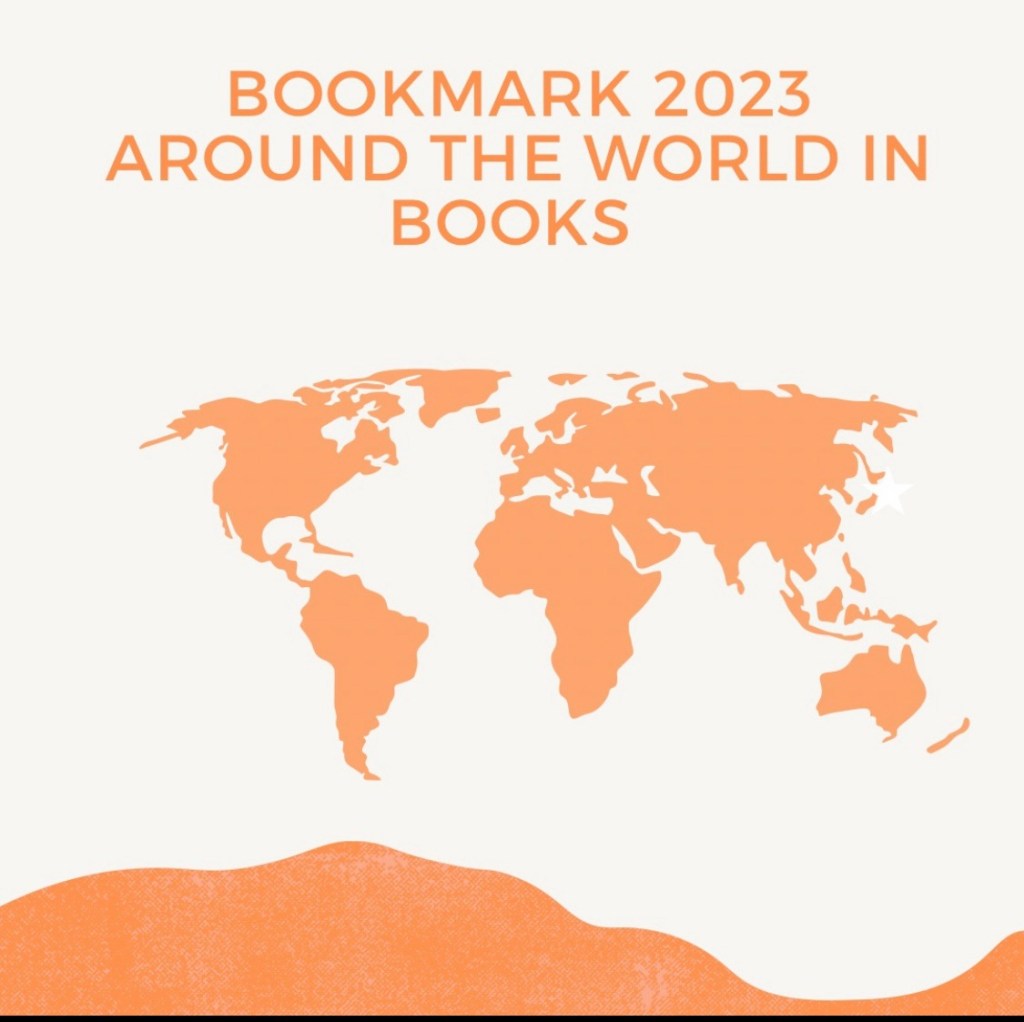
We also had a fantastic year reading round the world in the Bookmark Bookclub,the bookclub I co host.

We read books set in countries around the world and had such an amazing time discussing them with some of the authors. You can see some of the titles and what we have been up to and have coming up here –Bookmark Bookclub

Really looking forward to all of the great books, I will be reading in 2024 individually and with Bookclub.

Thank you so much for reading and wishing you a wonderful, joyful 2024 in advance!

What is my Legacy?

It’s a question that crosses our minds when we think about how and what we contribute in different contexts e.g in work, family, community etc.A lot of times it’s simply “How do I want to be remembered?”

There is really nothing wrong with striving for excellence so you are always remembered in a positive light.But should it be your main motivation? Should it be the reason why you want to “change the world?”( pondering out loud here)

I am currently in a transition phase and been reflecting a lot on the above. It’s my opinion but I believe the way “legacy” is currently framed needs to be balanced with a healthy dose of humility.If we fail to do that “building legacy” begins to stray into the realms of egomania and narcissism.

It becomes more about an individual’s achievements rather than the outcomes for the collective.I have this thing about striving to leave situations,interactions and contexts better than I found it.But like most overdone strengths, it can become a weakness.

If I am not careful, it becomes less about making things better but how I have been “perceived” to have made things better.It becomes more about ME and less about the outcome/impact that I was striving for.

We see it all around us. Leaders more concerned with ideas that are “legacy driven” rather than what works best for their people.

So what I do think is a better metric? I think we should strive for IMPACT.

No work is insignificant. All labor that uplifts humanity has dignity and importance and should be undertaken with painstaking excellence

Martin Luther King Jnr

Impact seems a bit subjective. Sometimes it’s difficult to measure and doesn’t feel “tangible”. Legacy is often referenced in tangible and visible achievements e.g children,a business, material wealth, a new tool or invention, winning medals/competitions etc. I wouldn’t disagree that the achievements above are worthy of admiration but I also believe that the less quantitative elements of “leaving a legacy” are equally as important and worthy of mention.

See below a few ways I think we can gauge or assess the impact we could be making in the life of others.

🔸How we show up to and for the people we interact with every single day

🔸How we approach things that we might never get credit for

🔸By doing seemingly basic tasks WELL and CONSISTENTLY.

🔸By valuing new ideas AND the implementation of those ideas in equal measure.

Leaving a great legacy shouldn’t just be about being able to SAY you left a legacy. It should also be about improving outcomes and providing a better baseline for those you are passing the baton on to.

Great leaders don’t set out to be a leader, they set out to make a difference. It’s never about the role, always about the goal

Jeremy Bravo

All of the above is a reminder for me in this season. I share so it might you make you think about legacy slightly differently.

Photo credits- Shutterstock

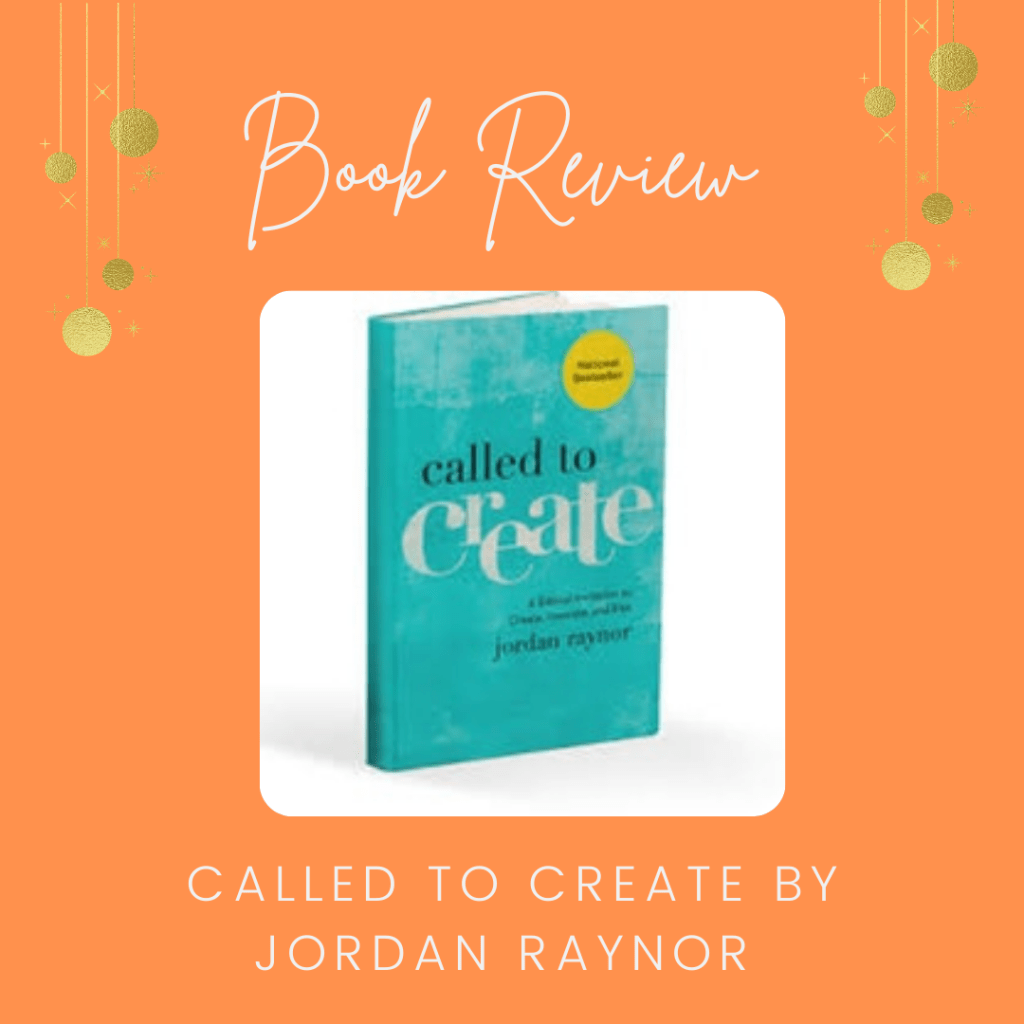
Book Review- Called to Create by Jordan Raynor

Picture credit- GoodReads

If you have read this blog for a while, you would know that I am particularly interested in how faith affects how we live and work. This interest led to the podcast, articles and newsletter of the author of this book, Jordan Raynor.It’s a book that has been on my bookshelf for ages.

When I read non-fiction, I often want to take away one central idea, principle or action that I can begin to apply almost immediately. This could be to how I think, relate or even carry out tasks or actions.My one general idea from this book can be summed up as the authors definition of entrepreneurship stated below

an entrepreneur is anyone who takes a risk to create something new for the good of others. From my perspective, the act of creating a new business is not dissimilar to composing a song. Both require bringing something out of nothing, establishing order out of chaos, and creating something good for others.”

Called to Create by Jordan Raynor page 12/13

I have always been uncomfortable with the idea that the ONLY way you can exhibit entrepreneurial tendencies is by starting or running a business. This book draws the parallels between the creative nature of God and how it manifests in our desire to create, innovate and risk. He makes a case for God being the very first entrepreneur. He draws parallels to the mandate in Genesis 1vs 28 about replenishing the earth and how it translates into creativity in various expressions.

Another quote that really resonated with was me the below

Because of the gospel our work becomes the expression of our identity not the source of it

Called to Create By Jordan Raynor page 52

It is a discussion I have had a lot this week. A lot of times we wrap our identity in what we do (or dont) and that begins to determine the worth we place on ourselves or others. It’s why one of the first questions most people ask when they meet someone new is “What do you do for a living?” There is nothing inherently wrong with this question but what this book made me ponder about was how what we do can be linked to an expression of the gifts that God has placed in us and not necessarily the source of our worth or identity.

The author encourages us throughout the book to think about how we work and tells stories of business owners who reflect their faith not just in cliched “values” but actually how it informs the decisions they make and how they approach they work they do.

One of the examples shared that really resonated with me was the example of Arthur Guinness and how he incorporated the Christian ethic into not just how he donated to charitable initiatives but in also how he treated and remunerated his workers. He quoted a the paragraph below from Arthur Guinness’s biography that really made me think and reflect.

It is not hard to imagine Arthur Guinness wondering what his role in this life might be. He would consider his abilities and think deeply about what brought him pride and joy. In time he would recognise his skills as a brewer and make it his life’s work.

We are used to preachers and to great noisy works for God.We are used to a religion that is sometimes an escape from daily life and to faith as fixation on life in another world. What Arthur Guinness founded was a venture propelled by faith, yes but a kind of faith that inspires men to make their work in this world an offering to God. And to understand craft and discipline,love of Labour and skills transferred from father to son as sacred things. It was a venture of faith that took the fruit of the earth and through study and strain made of it something of greater value.

Calked to create by Jordan Raynor page 96

He shared how the people employed by Guinness enjoyed some of the best employee benefits ever enjoyed in the era with ripped off those investments being legacies that are still enjoyed decades and even centuries after he lived. In 1929, if you worked for Guinness you got the following benefits;

Twenty four hour medical care, twenty four hour dental care,on site massage and therapy, savings and loans to help you own a house, funeral expenses paid,pension paid without employee contributions,the education of the employee and their children etc.Researchers spoke to professors at Trinity college,Dublin whose father’s lives and in turn theirs as Guinness paid for their education.I work in social housing sector here in the UK and the Guinness partnership is one of the biggest providers of affordable housing in England. His story was a great example of an entrepreneur who created product and used the profits to love and serve others.

The other general principles shared by the author that really resonated with me included;


🔸Being humble and really questioning the motive for creating


🔸Creativity being a gift that we all get from from God and hone by striving for excellence in all we do


🔸A christian’s true rest lies in working hard accompanied by trusting God

🔸God is the one who produces profits through a Christian therefore making us stewards of what he has entrusted us with.

Earn all you can. Save all you can. Give all you can. Your wealth is evidence of a calling from God, so use your abundance for the good of mankind

John Wesley, Called to create page 199

It was really easy to read as well and I would give it a rating of 4/5 and recommend for it any Christian who wants a different take on what it means to glorify God in what is considered “secular work”.

Buy the book

Thank you so much for reading and have a lovely week ahead.

**please note that the link above is an affiliate link that earns me a small commission at no extra cost to you**

The Messy Middle

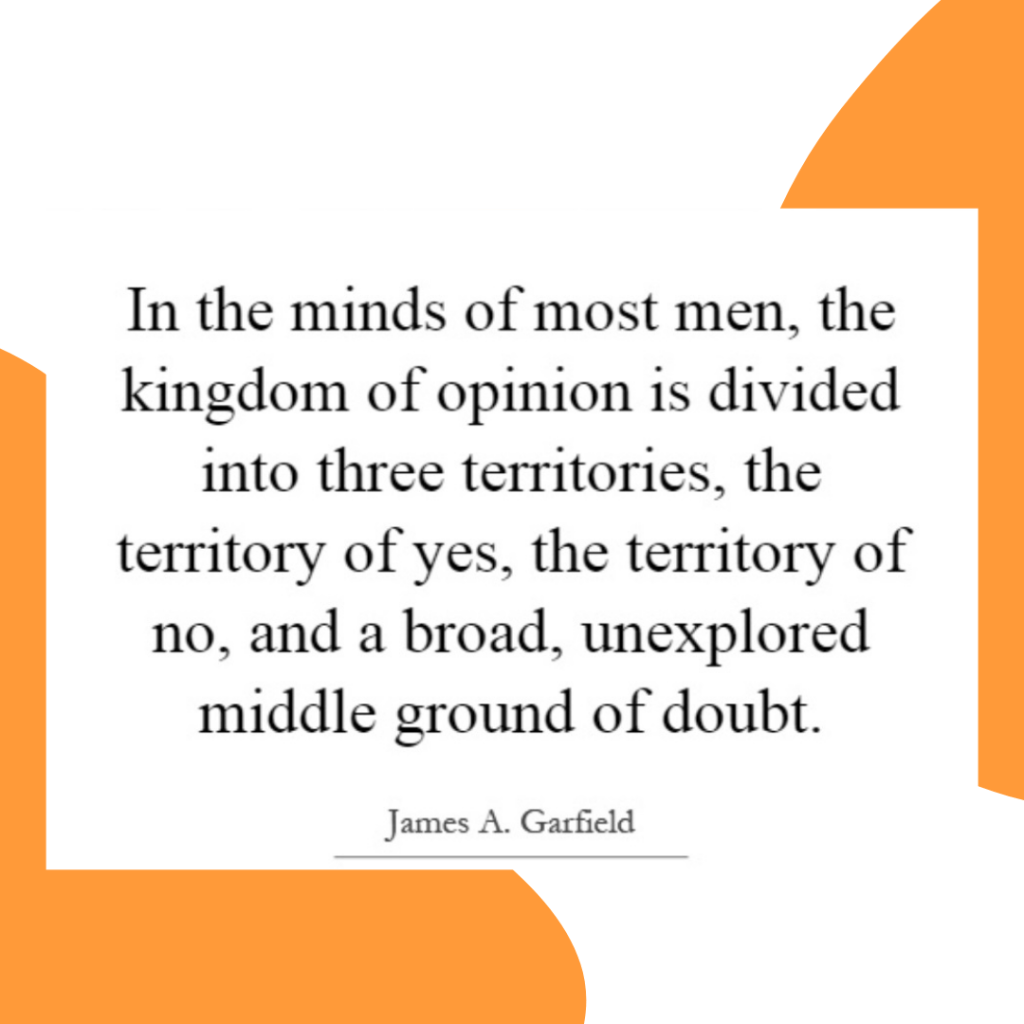
The middle of the road is not the obvious destination for most people. Figuratively it conjures up an image of being neither here nor there. We live in an increasingly polarised world where we are often asked to pick a side.

In a lot of circumstances I actually think picking a side or being fully convicted of one’s beliefs is an admirable trait.

An individual’s values represent their basic convictions of what is right, good or desirable. These values often form an enduring conviction and form the moral foundation for how that individual lives or interacts with the society they live in.

It is a blessed thing that in every age some one has had the individuality enough and courage enough to stand by his own convictions.

Robert Green Ingersoll

I am all for having convictions. It can be an anchor in a continually evolving world where it is becoming increasingly difficult to discern between what is fact or truth. And we all have a basis for how we arrive at the value systems that govern how we see the world. We determine the values we live by through inculcating beliefs,cultural assimilations and social conditioning passed down from parents, schools, peers, religious institutions, the media, society etc.

As much as we like to believe that wechoose our values or beliefs, they are never totally formed in a vacuum. It’s the reason why in certain societies an economically successful woman would consider not being married a huge personal failure. This example is not to highlight the correctness(or not) of this belief but to highlight that while values can be individual there are elements of them that we arrived at based on social conditioning.

Most people would agree with the core idea that hurting another human by murdering or stealing from them is wrong .This is because values are at the core of most of our decision making. And for straightforward scenarios like murder or theft, we can (ok not all but most people)can decide not to hurt others in that way.

Unfortunately, not all decisions that we have to make are as straightforward as the above. Which is why I think it at some point or for some issues it is important that we resist binary thinking .

We increasingly faced with making or taking decisions that are so complex which means we cannot afford to view ALL issues from a versus/either or lens or perspective.

One thing that is largely missing in most of our public discourse today is the ability to think about issues in a nuanced way. Don’t even get me started on how this plays in out in the dumpster fire world that is social media .It appears that we are at a point where we struggle with the ability to wrestle with two conflicting ideas and come to a middle of the road viewpoint that doesn’t totally dismiss or demonise the other side of the debate.

Picture credit – Pinterest

It’s either everyone who works in a 9 to 5 job is an idiot without any ambition or every wealthy person in business is a greedy capitalist overlord. It’s either you voted for Brexit because you are patriotic/racist or voted leave because you are a liberal softie who loves giving away your rights. You can’t be pro vaccination without questioning vaccine mandates or believe in protecting others or the vulnerable around you by wearing a mask without being a sheep who is being misled by the mainstream media or Bill gates (I went there).

You can’t believe in women’s rights without being a man hating feminist or believe that men are not the enemy in every discussion that pertains to gender equality. You can’t believe that certain elements of capitalism unduly privileges certain parts of the society while also believing in innovation/industry. You can’t be ambitious without thinking all poor people are lazy and deserve to be poor. You can’t believe in living a healthy lifestyle without fat shaming others. It’s always either/or!

There is no middle ground!

Nuanced thinking can be defined as resisting binary stances on important, complex topics. I named this post “the messy middle” because it takes effort to operate or think in this sphere. And that effort can be messy. Our brains, too often see things in binary terms. It’s much easier for it to simplify the world into true or false, good or bad, is or is not. This dichotomizing tendency works well for simpler decisions like I outlined earlier.

It takes alot of mental effort to choose to sometimes dwell in the uncertainty of considering the merits or demerits of the other viewpoint. It’s much easier to dismiss those other views and exist within our own echo chambers with people who agree with and think like us. To take a conscious effort to at least consider what the other side is saying can be difficult. And it is why it is the road less travelled.

I am not advocating taking permanent residence in the middle of the road. That in itself can be dangerous because no one truly likes lukewarm tea or people (I find it hard to believe anyone does). Be passionate about your beliefs and convictions. Your views might not always be considered acceptable by others and that is ok.

What I am advocating is the ability to sometimes consider the other viewpoint.

Even if you don’t understand it.

Even if you don’t agree with it.

Photo credit -Pinterest

And you might never agree or understand that viewpoint or belief. What the middle ground does especially if you take the time to listen to the other person is that it humanises their position. And it opens you up to the fact that not everyone sees the world through your lenses. Sometimes they are wrong. Sometimes they aren’t. And that’s ok too!

This is something that we can all do better at and I am hoping that I can do too.

As usual thank you so much for reading and have a lovely day

Oyindamola

Oyindamola’s Most Impactful Reads in 2021

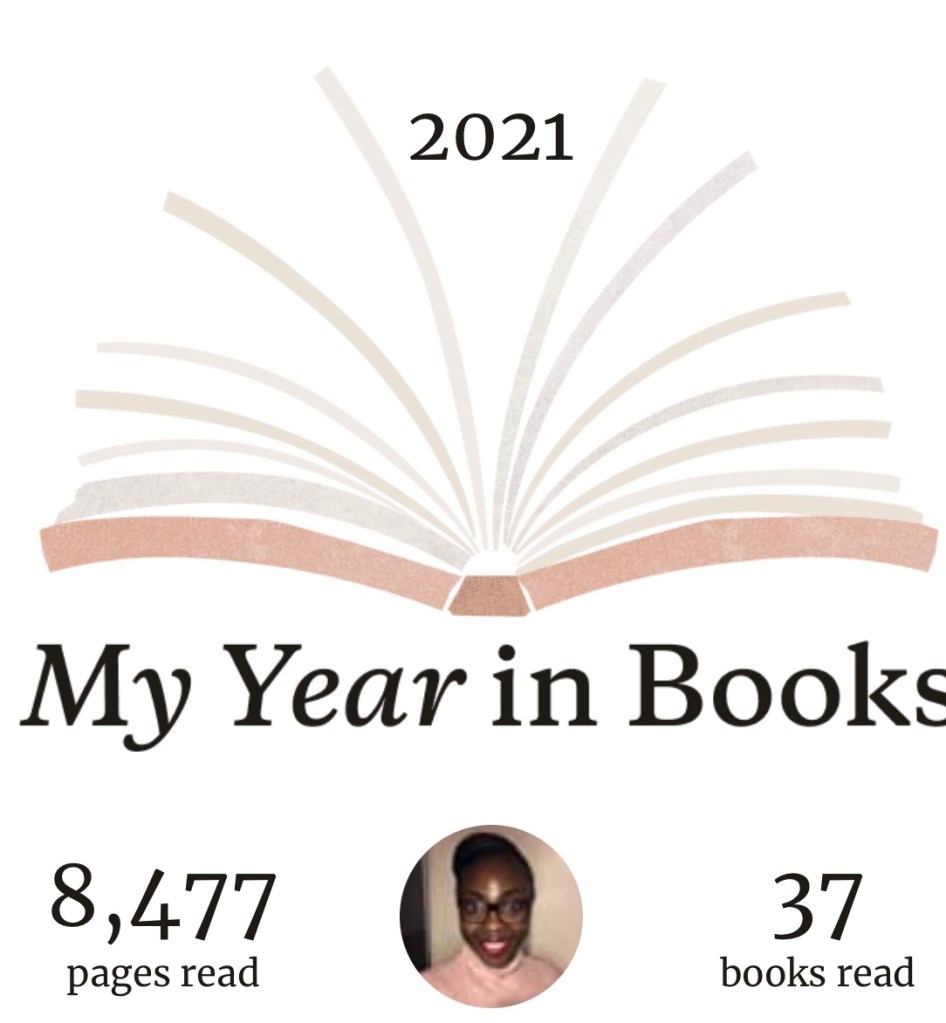
My Good Reads 2021 Tally

It’s that time of the year when I write a piece on how the year has gone from me on the reading front. This was something I started in 2019 which was the year I started writing in long form on this blog. That piece in 2019 was titled Read More in 2020. In it I shared tips on how I rekindled and sustained my reading habit. If you want to “read more in 2022” I think it’s one would find very useful.

In 2020, I wrote a more reflective piece titled, My 2020 in reading I reflected on how my year had gone on the reading front and also shared my plan for 2021 which was to read less books but make my reading more topical. I read 41 books in total in 2020 but decided that it was more valuable to immerse myself in certain topics which meant my reading would go deeper rather than wider.

So how has that gone,you might ask? On reflection,very well. I started the year not really concerned about a number but also knowing that what doesn’t get measured doesn’t get managed. So I set myself a goal to read at least 2 new books every month. This would translate to 24 books by the end of the year. I was specific about new books as I knew I would be re-reading some books I had read in previous years. At the time of writing this (13 days to go) I have read 37 new books. I also re-read 4 books which more or less takes me to my 2020 number of 41.It certainly was not my intention to “smash a target” but reading has become an activity that is enjoyable. And what happens when you enjoy an activity? You do it for the sake of it and not necessarily to score a point or get validation. The value becomes intrinsic and the process matters much more than the outcome.

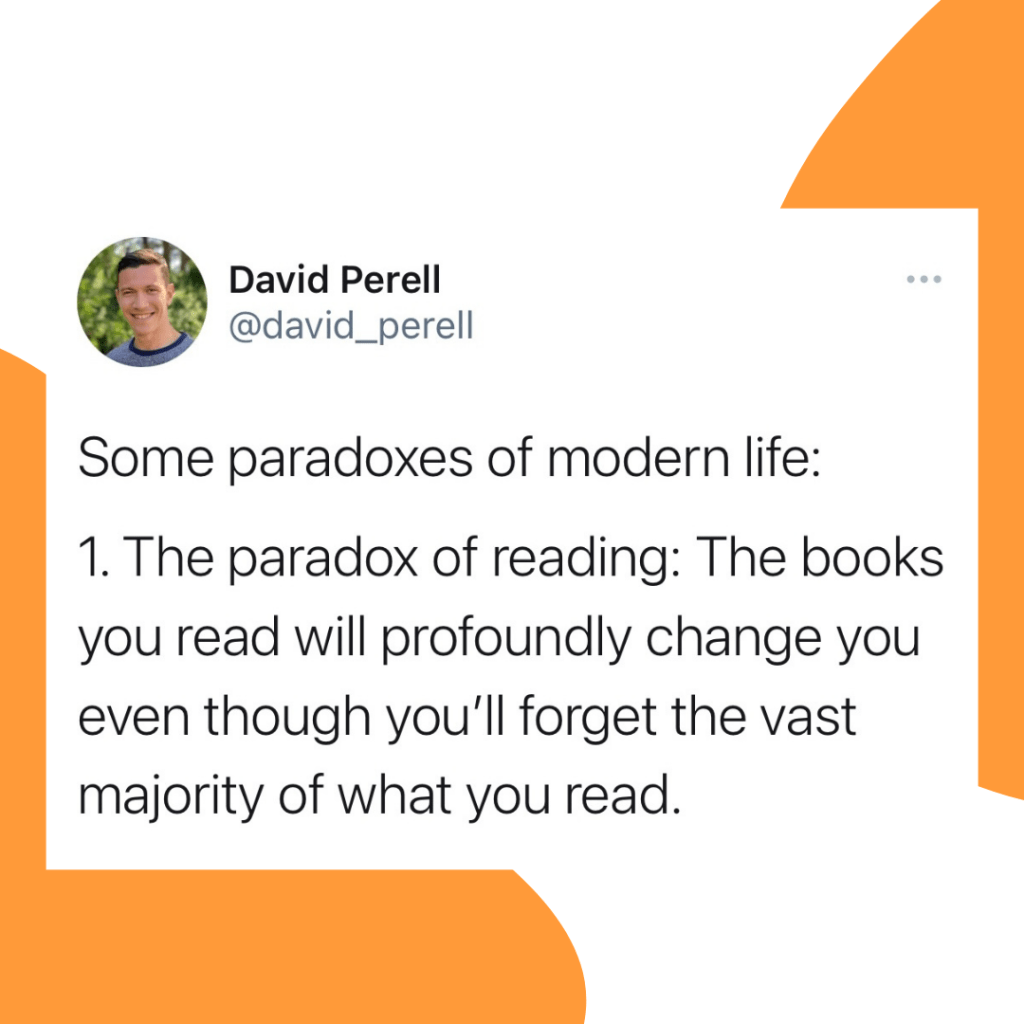
Tweet by David Perell on Twitter

So as I was thinking of what to share as my end of the year reading reflection, I settled on sharing which books had the most impact on me. And when I say impact, I mean the books that left something with me.As the quote above states the books you read will change your life even though you will never remember all you read.It was really hard to narrow down my choices as I truly believe l learn something from every book I read(including fiction).

The books I will be sharing either spurred to me action in varying ways or fundamentally changed the way I thought about certain subjects. Some of them also gave me words that I didn’t realise I needed. Words and stories are how I process the world and these books gave me both an inroad and an outlet for my thoughts and ideas.

So here they go in no particular order:

Learn more about the book – GoodReads

The first book on my list is Long Walk to Freedom by Nelson Mandela . It was a book I read with Chapters Bookclub community early on in the year. It is his autobiography that charted his life from early childhood to the years he spent in prison and subsequent release into post apartheid South Africa. My central learning from this book was that the struggle for the actualisation of a principle, idea or a struggle is often underpinned by long term endeavour. Long term change rarely happen overnight and it takes a certain ethos to believe in something so deeply that you are prepared to wait years for it to be manifested. Consistency and effort are needed in equal measure.It was a really chunky book but one I would recommend to anyone who loves biographies or learning about the lives of influential figures. You can buy the book here.

Learn more about the book – GoodReads

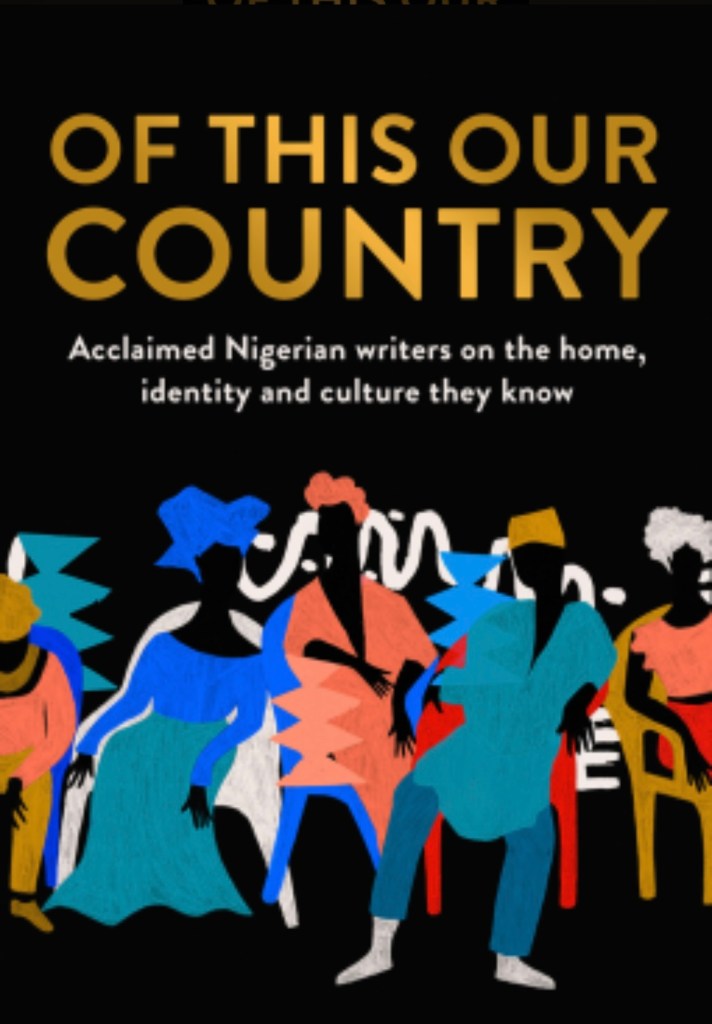
Of this our country is an essay collection written by several acclaimed authors of Nigerian descent. It was the book that I never knew I needed to describe my very complicated feelings and relationship with my beloved Nigeria. I read this on Kindle and at some point I thought Kindle would stop me highlighting. The use of words and imagery transported me back to the sights, smells, customs, idiosyncrasies and all things that I both love and hate about being Nigerian.It made me reassess a lot of things I held true and is a book that I will definitely be reading again. Highly recommended for any lover of Nigeria and particularly Nigerian literature. You can buy the book here.

Learn more about the book – GoodReads

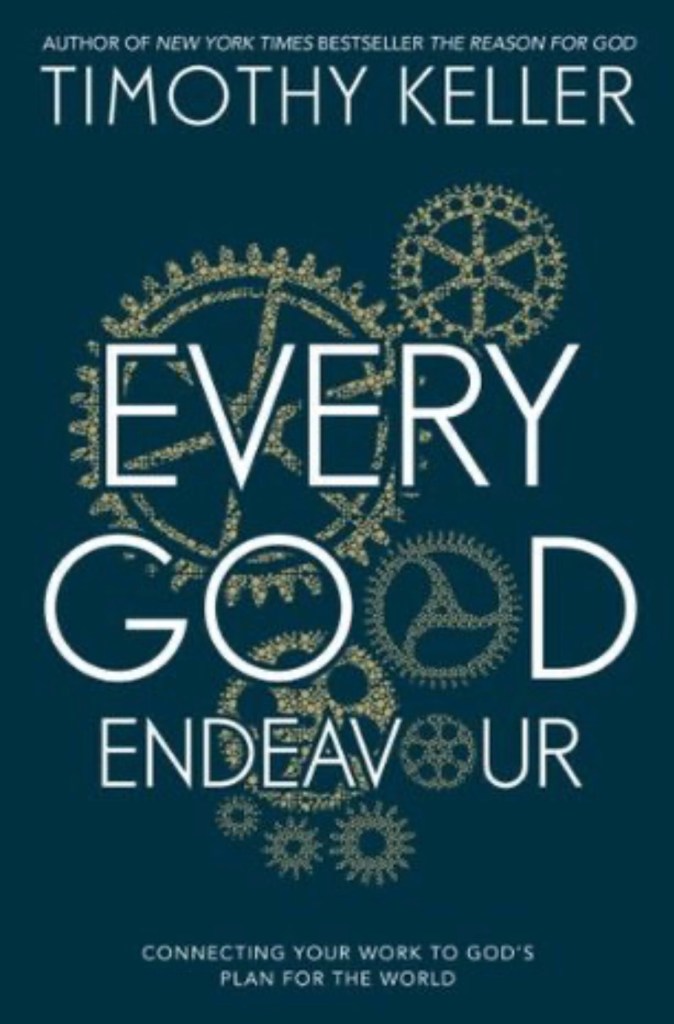
Every good endeavour by Tim Keller was such a pivotal read for me. I have always wanted to read a book that gave me some insights on how my faith practically plays out in how I work.It gave me a much needed balance on my view of work and the accord God places on all types of work. My biggest lesson or mindset change from it is that work for a Christian is not a curse to be endured. It was in Gods origins plan for the world and was actually Gods first assignment to Man.It also finally shattered the myth that the only work God cares about is “work in the vineyard/church building”. It was such a great read with lots of really great lessons and quotes. It is one I would highly recommend for any Christian who wants to live out their faith in the marketplace. You can buy the book here.

Learn more about the book- Good Reads

This one touched me in way that I can’t even begin to describe. It’s a book written by Chinamanda Ngozi Adichie about the impact the loss of her father had on her. She gave the words to describe the feelings I felt 13 years ago and every day since then about losing my father. She describes the feelings, emotions and contradictions of loss and grief. The mix of sadness and crying interspersed with smiles and laughter of fond memories. Chinamanda really does have a way with words and this book gave me an inroad to reflect on what it means to lose a parent. I almost felt bad for enjoying it too much. Some people might find it hard to read because of the theme but I found it really comforting and is one I would highly recommend for anyone searching for a language for grief. You can buy the book here.

Learn more about the book –GoodReads

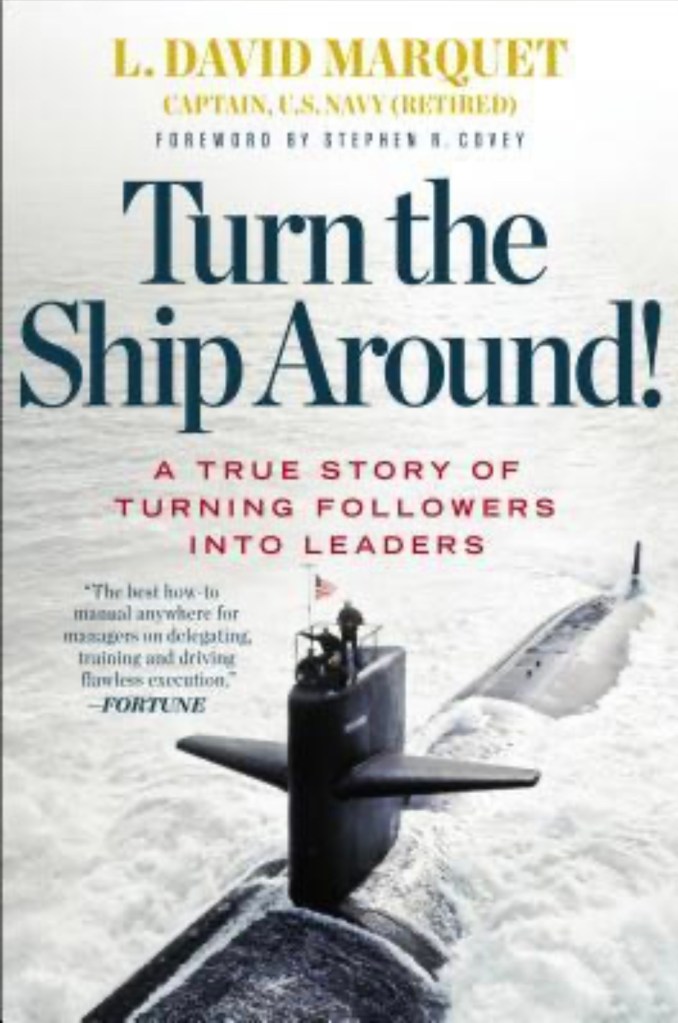
Leadership books can be a bit hit and miss for me.Frankly,I find some of them really un-relatable as they do not talk about leaders that sound,look or think like me. I would have thought the same about this book as it talks about leading a submarine warship. But it is truly one of the most relatable leadership books I have ever read. My key lesson from this book was the leader-leader model that the author goes into alot of detail to illustrate. A good leader empowers those they lead by giving them the ability to lead themselves by fostering a culture of learning, accountability and the willingness to learn from mistakes. I learnt a lot from this book and it is one I would recommend to anyone who aspires to lead others in some form or the other. You can buy the book here.

Learn more about the book –GoodReads

One of the things that confounded me the most when I became a Christian was the blanket good natured advice of “just read your Bible”. It’s advise I have also given but one I realise could be better tailored as reading the Bible can be a daunting prospect.

With time I have made into a habit that has endured but reading this book gave a me a framework and context that I think a lot of Christians struggle with when it comes to studying scripture. The author shares really useful tips on what she calls the 5Ps of studying the Bible ( Purpose,Perspective,Patience, Process and Prayer).

This book makes the cut as this framework is part of how I now study scripture. The book is called Woman of the word and was written with women in mind. That said it is a book I would highly recommend to anyone looking for a very practical guide on studying the Bible. You can buy the book here.

Learn more about the book – GoodReads

The amount of change that we have had to navigate in the last two years has been astronomical. It’s one of the reasons most people have found these times challenging as humans only have so much capacity when it comes to change.

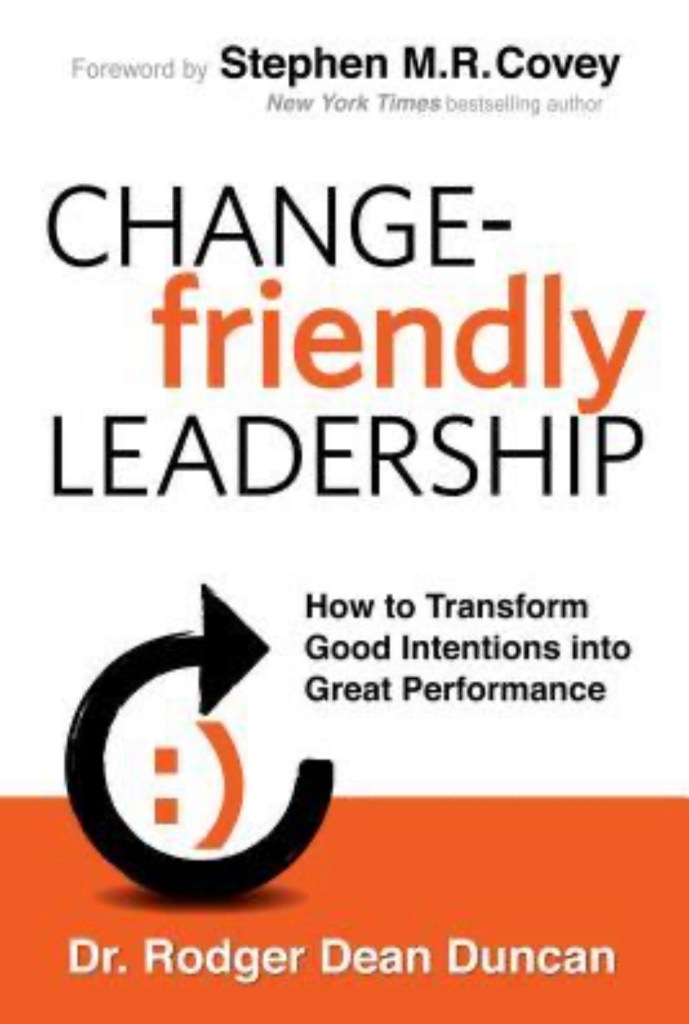
This book provides simple,straightforward and practical approaches to managing change in organisations. Like I always say though, I think a lot of organisational change frameworks can be applied broadly in other walks of life.

It made the list as I have actually applied some of the frameworks and approaches professionally. Apart from working in change/transformation, change is a topic that I am always reading about.This year has also been a year of massive changes and transitions for me and the lessons from this book proved so valuable in navigating those transitions. It’s a book I would highly recommend to anyone who considers themselves a Change agent in whatever capacity. You can buy the book here.

About the book – GoodReads

This book makes the list as it made me re- evaluate what matters. It made me question where and what my validation comes from. It shattered beliefs and made me realise that my worth or significance was not something I had to perform or earn from God. Most importantly it pointed me to scripture which is always a winner for me when I read Christian literature. It gave insights through scripture that point to the fact that the basis of my faith is acceptance through Jesus Christ and that I do not need to perform or earn my stripes. Good works are as a result of the grace I have been given and not a way to earn grace. It was another one that I read with the Chapters book club and the feedback from everyone was phenomenal. It impacted me so much that I took a whole month off social media.This is not saying social media is bad but I had to reassess why and what I used it for. This book is one I would recommend to any Christian. You can buy the book here.

As noted earlier these books made the cut but there are so many other books that were absolutely phenomenal. There are some others not listed here that i have reviewed on this blog or on my YouTube channel. See the full list of the books I read(and reading as I have a few to get through before the 31st) – Oyinda’s 2021 reads.You can also check out the book reviews on my YouTube channel Book Reviews by Oyindamola.

As we round off the year, I look back with a lot of gratitude. Mixed in with the gratitude is also some exhaustion and I am really looking forward to a time of solitude, rest and recharging. This will probably be my last piece of long form writing for the year so using this medium to thank you for engaging and reading my thoughts. Thank you very much for your support and I truly do not take it for granted.

Here’s wishing you a very merry Christmas and a healthy,prosperous,peaceful 2022.

***please note that the book links above are affiliate links that earn me a small commission at no extra cost to you***