Book review- ‘Atomic Habits’ by James Clear

If you have been reading this blog for a while you probably would have gathered that I love books.. I am also really intrigued by habits and why humans do the things we do.It therefore stands to reason that a book about habits will be right up my street.

‘Atomic habits’ was our February read in a book club that I co-ordinate.Adding this book to our list for the year was quite intentional/strategic as it’s been on to my ‘to read’ list for ages. I get a weekly email newsletter from the author and the book is an international best seller that has sold over a million copies. The rave reviews,second to none! So yes, there was a lot of anticipation on my part. As I had been disappointed in the past by some critically acclaimed titles,I was really hoping this wouldn’t fall flat especially as I had also made over 50 people read it with me.

But wow did it live up to the hype! It was such an awesome read. I actually think it has earned a place on my ‘ Top 10 books’ (look out for that blog post later this year ). I finished it in a week and then went back to read slowly and highlight various parts of it. I am so glad that I bought myself a hard copy and it now occupies a vantage position on my book shelf and will be a book that I am sure I will keep going back to.

The principles explored in this book make it such a great learning resource.Habits are the bedrock of almost everything we do and the idea of having laws(like the laws of gravity) of habit change makes it something that everyone can relate to.

One of the biggest insights I gleaned from reading this book was that it reaffirmed something that I had always suspected;

Discipline is overrated

I know that sounds odd as motivational speakers have made ‘discpline’ such a buzz word these days. However quite unlike some books in the personal development/self help genre ,this book laid out real,concrete and actionable steps on how most people can start or drop habits. It lays down building blocks that highlights the idea that being disciplined is not just for a select or ‘special’ few. A paragraph from the book that really captured this for me was;

If you are having trouble changing your habits,the problem isn’t you. The problem is your system.Bad habits repeat themselves again & again not because you don’t want to change but because you have the wrong system for change. You do not rise to the level of your goals. You fall to the level of your systems.

Those last 2 lines- GOLD! I have found those statements to be so true both in my personal & professional life. As I have mentioned in previous blogs, I don’t think ‘discipline’ comes naturally to me and I always chuckle when people say to me ‘you are so disciplined’ because I am able to do certain things. I really am not that disciplined.

One skill that I have been able to hone over the years is utilising the fact that I am a creature of routine (I think most of us are).Utilising this trait(which can be both a strength and weakness) is what allows me to do those things that I would ordinarily be unable to. I love setting goals,having a vision of what I want to achieve but because of my tendency to procrastinate the only way I can ever achieve anything is by making sure that there is a process/system that I incorporate into the things I do daily/regularly. I am sure some people at work have nicknamed me ‘Ms process’ but I really do believe the process is as important as the output.

‘Atomic Habits’ goes ahead to create a blue print for how anyone can set up a system to either create or stop good & bad habits.

The author divides them up into what he calls the 4 laws of behaviour change which are;

  1. Make it obvious
  2. Make it attractive
  3. Make it easy
  4. Make it satisfying

I like to implement ideas from books and and No 3 is the one that really speaks to my ‘easy way out’ self. Simplifying things really is one of the best ways to ensure that they get done.

As I said earlier( and to almost everyone I chatted to in Feb) I can’t recommend this book enough. It is quite a chunky book but also quite easy to read. It is the perfect guide for anyone who is looking to make adjustments in how they go about their daily activities. If you haven’t read it, I think you should! In fact I think everyone should!

‘Habits are the compound interest of self improvement. Getting 1 percent better everyday counts for a lot in the long run’

You really are what you do(or don’t do) daily!

If you have read the book I would really love to hear your thoughts in the comments. If you haven’t, I would love to hear if this review has made you curious enough to want to.

You can Buy the book on Amazon here

As always thank you so much for reading. Have a lovely Tuesday and week ahead.

Much love

Oyindamola

Photo credits- Amazon Kindle

please note that the link above is an affiliate link that earns me a small commission at no extra cost to you

Saying NO 2

Here it is people like I promised – Part 2.

Before going into sharing the other lessons learnt,I just wanted to say –Thank you!

The engagement and feedback from last weeks blog post has by far been the most positive since I started this blog.It seemed like a topic that really resonated with a lot of people but I must say I was really humbled and appreciative of all the comments,shares, reposts and conversations etc .

I don’t take it for granted. God bless you all.

As I already touched on last week , I am learning to filter the demands on my time and resources through the lens of what matters to God. In addition to this I am also learning to do the following;

1. Ask myself how this ties into what i want my life to be: A lot of times we fall into the trap of valuing people’s perception of us rather than focus on the key values or convictions that we hold on to as the building blocks of our lives.

An example of this is saying ‘yes’ to extra expenditure which could lead to taking on more debt. For a person whose goal or vision is to be debt free saying yes to that expenditure is such a contradiction.

The over-aching vision of being debt free should in most cases ( I know life is not black/white) be the determinant of expenditure and not ‘what will people think’ . This is just an example but can be translated to so many other areas of life.

If it’s contradicting how you want to live then it probably should be NO.

Eventually people will come to accept it even after resistance.
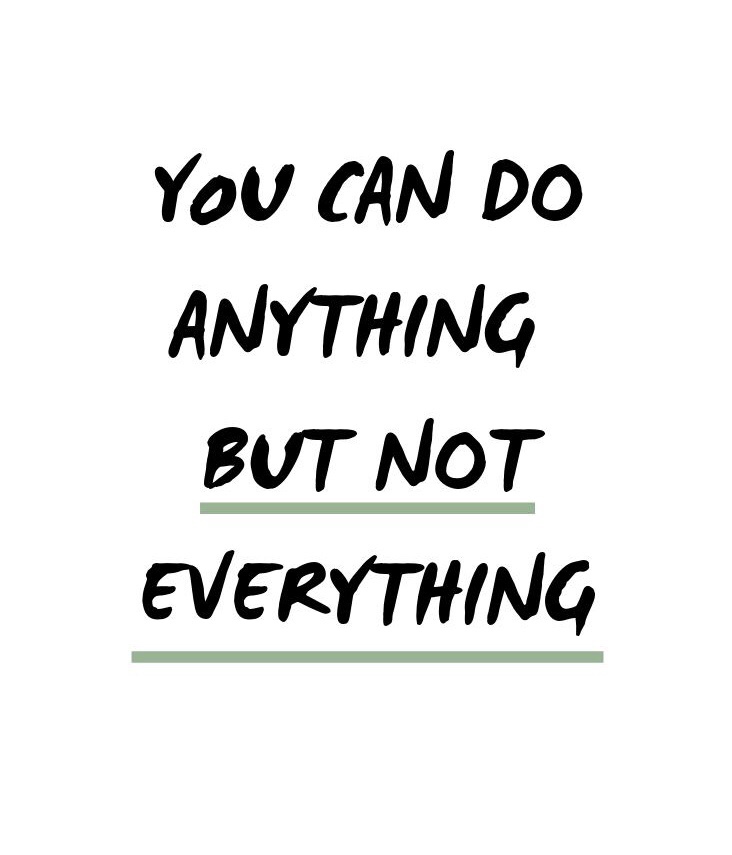
2. Laying my cards open .This really helps especially in work/professional settings.

In the last week I had to say to someone significantly higher on the food chain at work If I have to take that on it would mean i would have to stop xyz.

I am a firm believer in doing excellent work but sometimes we mistake that for doing ALL work. I had to let this person know the volume of work I had on which meant that it was not feasible (at this time) to also take on what they were asking.

Old Oyinda could not even say no to her direct boss. And you know what I have also learnt from doing this? People really appreciate honesty. It is always better to manage expectations and deliver than over promise and under deliver.

3. Understanding the season I am in– I am sure you are wondering what seasons have to do with saying NO. A lot actually. In the past I found myself saying yes to things and feeling bound by them even though they no longer suited my current circumstances.

It was ok for me to say yes to certain commitments in my children’s school when I was a stay at home mum or on mat leave with a bit more spare time during the week.

It makes absolutely no sense for me to think those commitments are possible now that I work full time.

This particular one is so essential in dealing with the guilt issues I mentioned in last week’s blog.Your life evolves over time and what is a no now could eventually be a yes or vice versa a couple of weeks,months,years down the line.

Give yourself a break.

4. Slow down and think before giving an answer – This is very useful especially around causes or areas that I am very passionate about.

No matter the good intentions,there are bound to be disappointments when you over commit and say yes to things that would be almost impossible for you to keep your word on.

No matter how passionate I am about fitness saying yes to a Run 200km challenge in March is probably not going to happen. But my old self especially in group settings would have said yes.

And while I believe that we all need to challenge our selves(this blog was a challenge to myself) one has to be realistic especially in accepting that most regular people have finite resources.

I have learnt that slowing down to think before giving an answer has allowed me to better weigh my options before taking on new commitments .

I know people don’t like hearing Can I come back to you or I will see what I can do but they have been helpful with keeping my word and being less impulsive with what I say yes to.
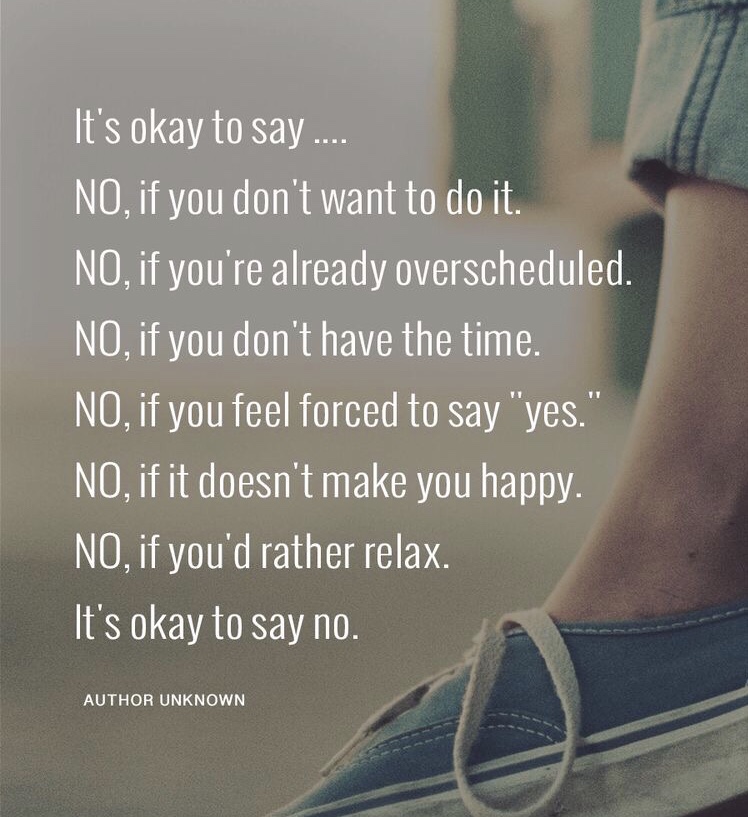
5. Being at peace with people not being happy with my NO-

And this has been where I have grown the most .

As I said in the part 1 of this blog,my natural inclination is to want everyone to like me .A by product of that is the constant internal turmoil I feel anytime I say no to someone.How does she now feel about me’ ‘Is he upset with me and so many other questions that I often mull over in my mind. But then I started noticing people in my environment who did say NO and life went on.

An example of this that my Nigerian sisters can relate to : we all know that person who does not do aso ebi.

Some people think they are difficult(read my blog post on this topic) but what happens is we eventually accept them for who they are and stop even asking them about it. 

And life just goes on.

I had to learn that turning down a request does not mean I am turning down a person. People will eventually realise that it is your right to say no, just as it is their right to ask the favor.Being at peace with people not always liking your decisions (or even you) is such a freeing place to be in.
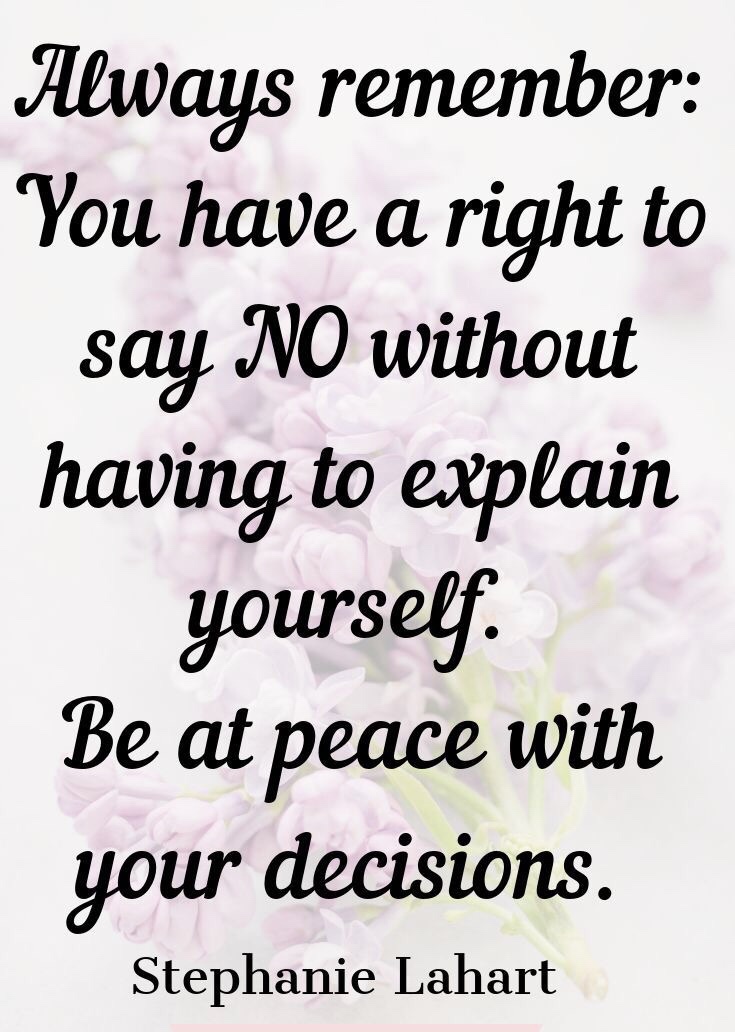
These are just a few of the things I am learning on my ‘saying no’ journey .I would really love to hear your thoughts and any tips you have that have helped you conquer the irrational fear of saying no.

As always thank you for reading and have a lovely blessed week ahead

Much love

Oyindamola

Photo credits – Pinterest
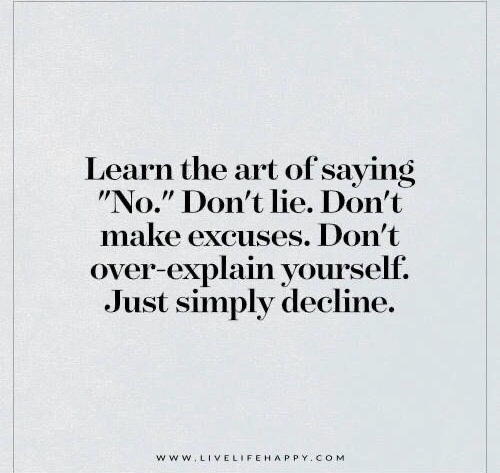
Saying NO

Saying NO goes against my natural inclinations.Upon alot of self reflection I realise that this stems from being a people pleaser. It’s something I still struggle with but it’s a battle that I know I am definitely winning.

For most of my life,external validation was something that i really craved for. I think there are alot of factors that contributed to this but I will save you the long psycho analysis of my childhood and what led to being the girl who went around hoping people would like me. I just liked hearing Oyinda is so nice.

The fact that I was(past tense cos I am striving to do better) a people pleaser became apparent when I started realising that i would say yes to things that I secretly resented just so I wouldn’t offend people and also appear nice.

Below are some examples;

Buying aso ebi(matching occasion wear for my non nigerian readers) in a fabric & colour I really did not like. Add to the fact that I already had something similar. I ended up never wearing it again and I was not even that close to the person I bought it from.

Saying yes to extra work load that I did not have the capacity to take on.I later felt really stressed and it got to a point where I dreaded even taking a day off. I was literally doing a job 2 people now do.

Accepting a package from someone to add to my luggage when going away. It meant I had to drop some of my own things that I actually needed on my trip. I was secretly fuming when I had to buy what I needed when I could have just said no.

Giving out a loan that I really could not afford.I just found it difficult to say ‘ no I am also struggling’. I never got the money back but for a long time I felt resentment because it was meant to be a loan and I really needed the money.

The impromptu outing I agreed to when i was really tired and all I really wanted to do was go home to relax. I hated every second of it but I had to pretend i was enjoying myself.

There are just too many instances for me to list out here and the people pleasing part of me still does not want to offend people in my life who might read this blog.

I also wrongly assumed that saying no especially in certain circumstances made me unkind.

Now I know that form of kindness is transactional as it was based on me getting something back in return.That something is approval or validation.

Now I know true kindness expects nothing back in return. It gives with little or no expectation. There was also some parts of me that thought what will people think or say plus alot of other guilty feelings that come with growing up in a culture that places alot of value on how you are seen by others.

As I have evolved over the years though I have come to the realisation that saying no is a key part in learning the skill of setting priorities.

The quote below by Tim Harford also really brings this home;

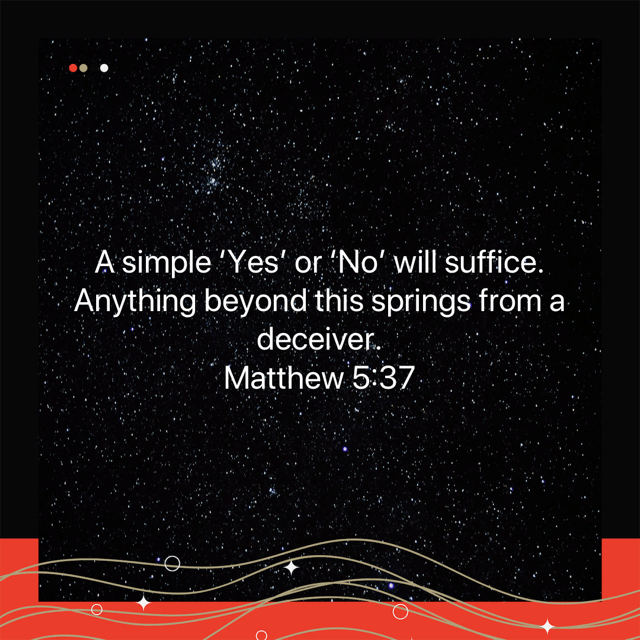
Every time we say yes to a request, we are also saying no to anything else we might accomplish with the time.

The day to day realities of being a parent also made it clear to me that saying no is not such a bad thing after all.Saying yes to everything my children want will mean I send out very overweight,entitled,self absorbed,selfish,lazy adults into the world.

Learning to say no has been such a liberating experience for me.For me it’s also been a spiritual journey as its allowed me to hone in on on what is now a central part of my faith walk .

This central element is- Am I pleasing God?

I learned to flip the what will people think/say to what does God think.

And sometimes what God thinks or wants might not necessarily what the people around you value.

Now I am not saying I still don’t care what people think about me of course I do.

Anyone who says they don’t is lying as it’s part of what forms the basis of how we live in society and communities.

What’s different though is that it is no longer the deciding factor for whether or not I do something. The central point now tends to be Does this indicate or contradict the faith/values that I profess?

I have learnt a lot of other lessons while acquiring this very important skill.

However I am aiming to make my blog posts shorter so please watch out next week for the concluding part of this topic where I share the other lessons.

As always thank you so much for reading and looking forward to reading your comments & experiences in saying the word NO

Have a lovely week ahead people.

Much love

Oyindamola

Embrace Difficult

We have all come across that person who everyone describes as difficult, challenging,mean or in native Nigerian parlance, over sabi.

We all know or have come across some variant of the following people;

-The teacher/lecturer whose classes you have to be on time for(you KNOW you can’t be late it’s an unwritten rule)

– The head of unit who won’t tolerate people not meeting deadlines (you KNOW they will never accept the ‘my great grandmothers brothers uncle died and I had to go the funeral as an excuse)

-That sports coach who makes everyone on the team run an extra 100 laps for no apparent reason( why??? we just did push ups)

– That friend who says the things you need to hear even if you don’t want to (very annoying !!!they speak truth though)

The list above is not exhaustive but I am sure you get my drift. These people have a set of standards that challenge those around them to do and be better.

They take no prisoners about their expectations of you and will let you know when you are not meeting them

They might come across as harsh, too strict and are often described as difficult to please or work for. I would like to caveat that this post is not necessarily extolling or criticising some of these traits. I actually think people can and should evolve.

Some strengths when overdone can be become a weakness and being “blunt” sometimes can come across as cruel but that is a topic for another post.

The other day i was reflecting on some experiences and it dawned on me that I seem to be a magnet for these kind of people.

I remember the reactions I got from some of my peers when I told them who my dissertation supervisor was in my final year of university.

Responses ranged from ‘oh dear’ to ‘eeyah God will help you’.And yes it was really warranted because wow was he thorough. By the time we agreed on a topic and outline some people had actually presented their finished work to their supervisor.

And the actual writing of the thesis? He went through every chapter line by line with multiple edits. Phew!

It was not usual policy for our department to have ‘Vivas’ (oral examination of your thesis) for under grad degrees but yeah you guessed right,he made sure everyone he supervised had a Viva to defend their dissertations to a panel of other lecturers.

I also remembered one of my managers at my first ‘proper’ job. ‘I need a report by 10am Friday morning’ actually meant 5pm on Thursday evening’. Obviously most people thought she was very difficult to work with. When I got transferred to her as a direct report, it was another pity party for poor Oyinda. At some point I said ‘God why always me?’

And it’s been a pattern I have noticed in my life. Looking back to my childhood though, I realise that my natural disposition was to avoid difficult or tough situations.

My mum(who reads my blog by the way) always used to joke that I always wanted to take the easy way out. I didn’t particularly ‘embrace difficult’ and would have gladly always taken the road of least resistance.

But here is the surprising thing, as I reflect many years after, I am so thankful for those difficult people that God placed in my path.

Those difficult people taught me the following;

1. Challenging situations precede growth – little did I know that the viva was preparing me for my current career which half the time entails me presenting to other. I was learning presentation skills even though I hated it at the time.

2. Short cuts rarely ever work in the long term – I could have probably gotten away with far less work with another supervisor. And it  probably would have been fine.However,that experience laid the foundation for some other skills I have now developed .I would have been happy to always stay in comfort zones .However those experiences taught me to stretch myself to deliver to high expectations and subsequently hold myself to those standards.

3. You can’t leverage relationships if you don’t prove yourself capable or trustworthy – the manager that everyone thought was ‘too much’ eventually became my friend. I learnt that all she ever wanted was for you to do what you said would do when you said you would do it.And that value is is one of the cardinal rules of my life.When you are having issues with someone sometimes you need to ask yourself the hard question; are you really pulling your weight?

4. Don’t make snap judgements about people – Me & the lecturer I mentioned earlier had history.He had once sent me out of his class for strolling in late while chewing gum and this was just one of our various run ins.So he obviously was not my choice as I thought he hated me.I only got him as my preferred lecturer happened to be on sabbatical in my final year.My anxiety levels were quite high when I realised we had to work together closely.But I had no choice and had to work with him. I ended the whole chapter actually discovering that he was a kind person. The same thing happened with the manager who everyone thought was mean. There was another side to them that people never saw and if I had made up my mind based on a) other people’s opinions b) interactions in different contexts i would have not been open to the lessons I learnt from them.

5. The process is as important as the outcome/result- Believe me when I say me and most of my peers would have preferred getting a ready made dissertation or even have someone else do all the work with a finished product ready to submit. But that really was not the point was it? The countless back & forth, the various chapter iterations and hours of further research made the finished product worth it. The amount of learning i got from that experience (especially when you are working with someone who is thorough) was so valuable and one that i have drawn on in other similar situations that i  have found myself in.

I will stop at these five but there are so many other things I have learnt from working with people who push you out of your comfort zone.

So now I am passing it back to you.

Are you currently working with,or for someone who everyone (and even you) consider difficult?

How can you change your mindset to dwell on the positives and see what you can gain from the experience?

Like I noted earlier this is not excusing toxic or abusive behaviours but providing a different narrative to what we might tell ourselves about situations that we might be facing.

As always I would love to hear your thoughts and experiences.

Thank you so much for reading and have a lovely week ahead.

Much love

Oyindamola

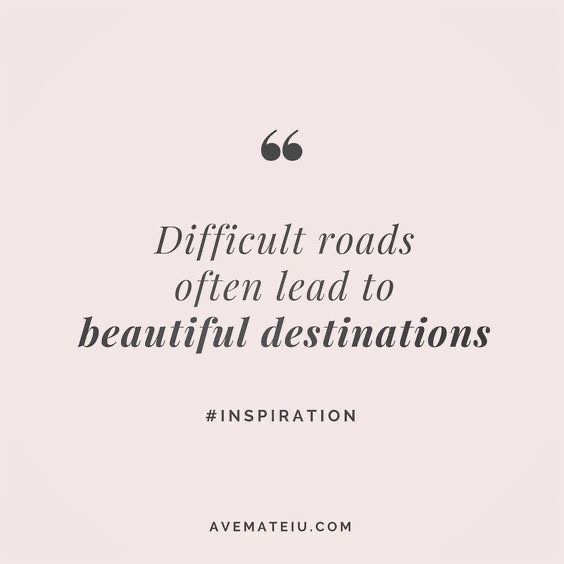
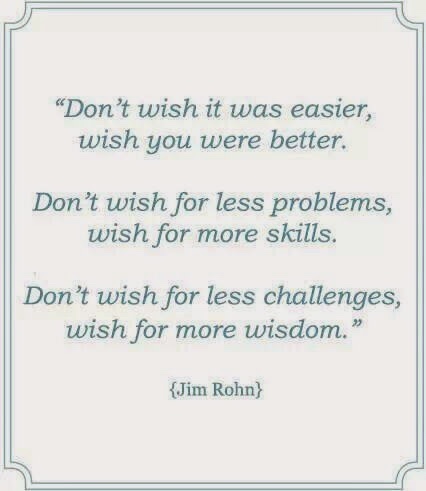
Quote photo credits – Pinterest

Pig Cleaning

I am sure you are wondering why are we cleaning pigs??? Well I guess you have to keep reading to find out.I’d like to say happy new year (& decade) as it’s the first blog post of 2020.

As I shared in my last blog, I have been on a journey to rekindle & share my love for reading & books . In the same vein I have also been thinking of ways I could make this blog more interactive and useful for readers . I know some people find reading whole books daunting or don’t even have the time .So I thought ‘why not share nuggets from books you read?’The blog is called is called life thru my lenses after all.

And so here goes!

The first book I will be sharing from is;

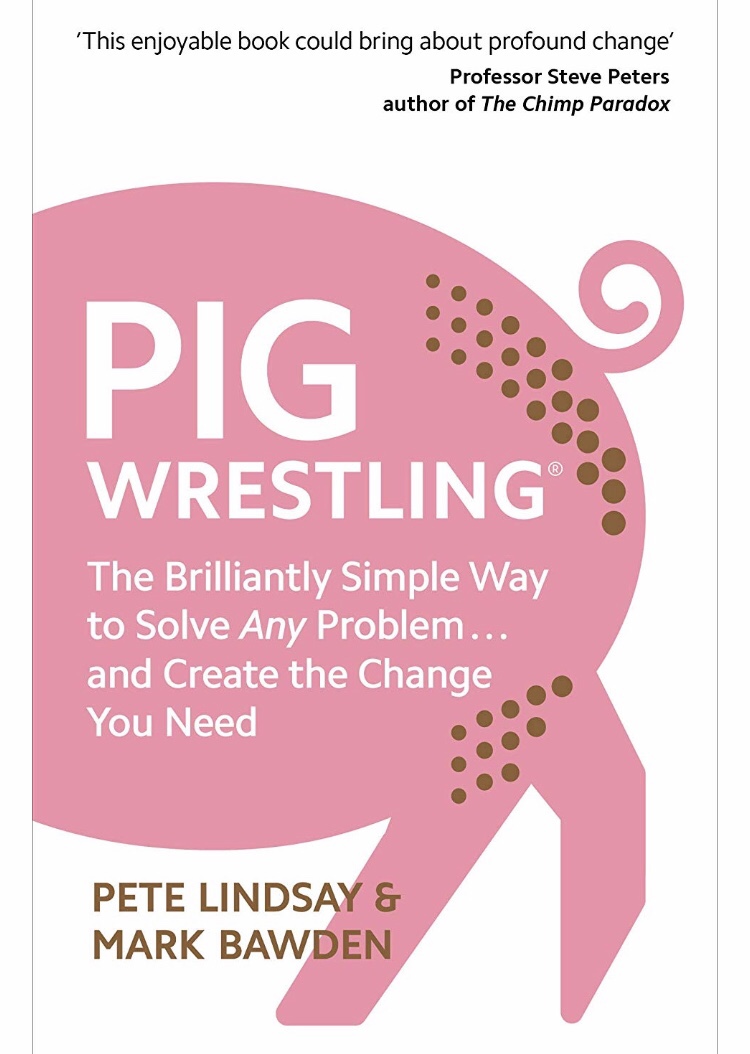
Pig Wrestling:The brilliantly simple way to solve any problem and create the change you need by Pete Lindsey & Mark Bawden

It is quite a short book(131 pages) and one that most people will be able to get through in a relatively short time. The key insights from the book are presented a relatable storytelling format through the lens of the protagonist who is simply called
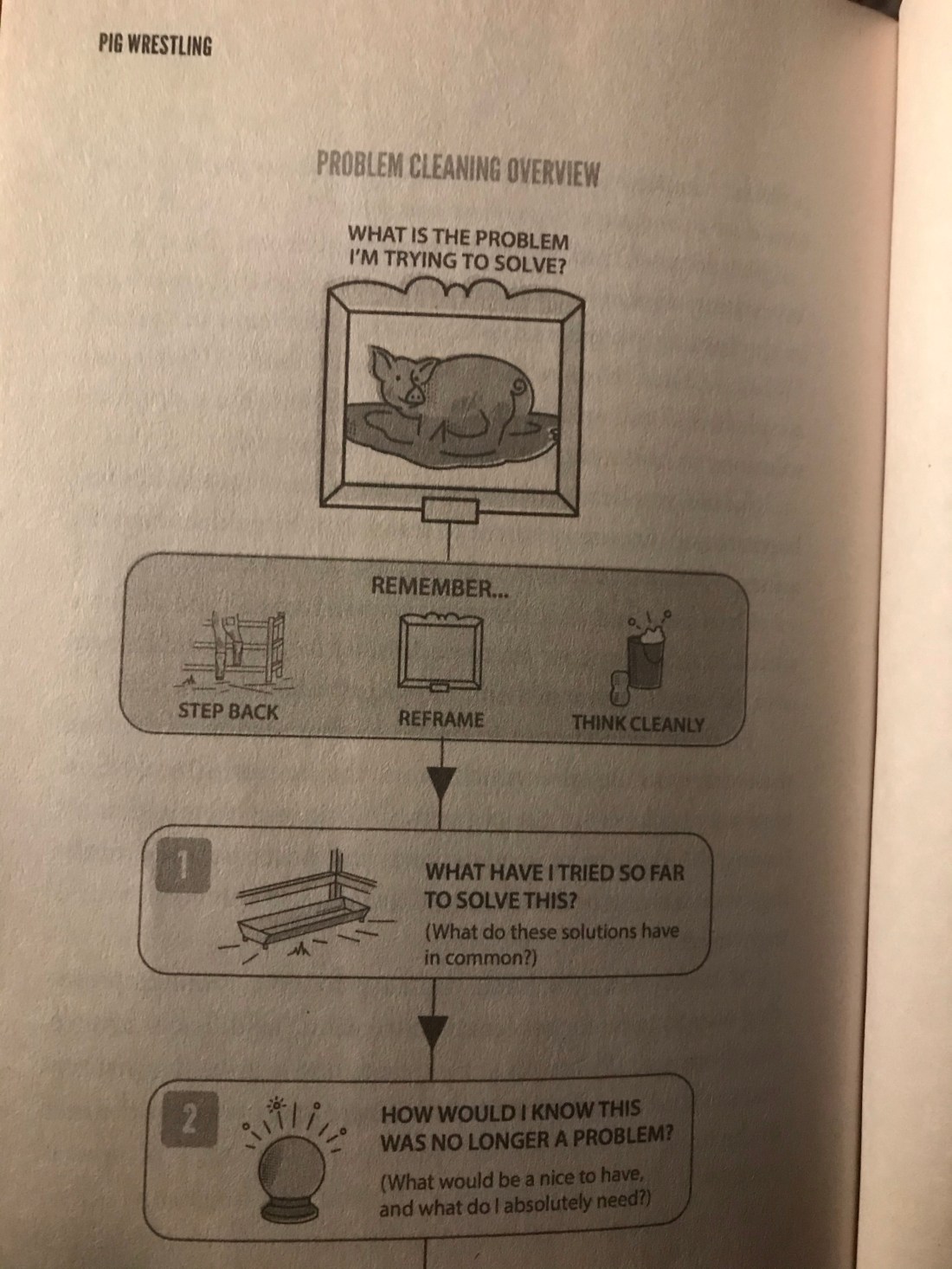

The Young manager was facing a pig of problem.In simpler terms, his team(s) just can’t seem to get along.In a conversation with an old barista at the coffee shop in his office building,he is introduced to a technique that would help solve his problem & create the change he needed within his organisation.

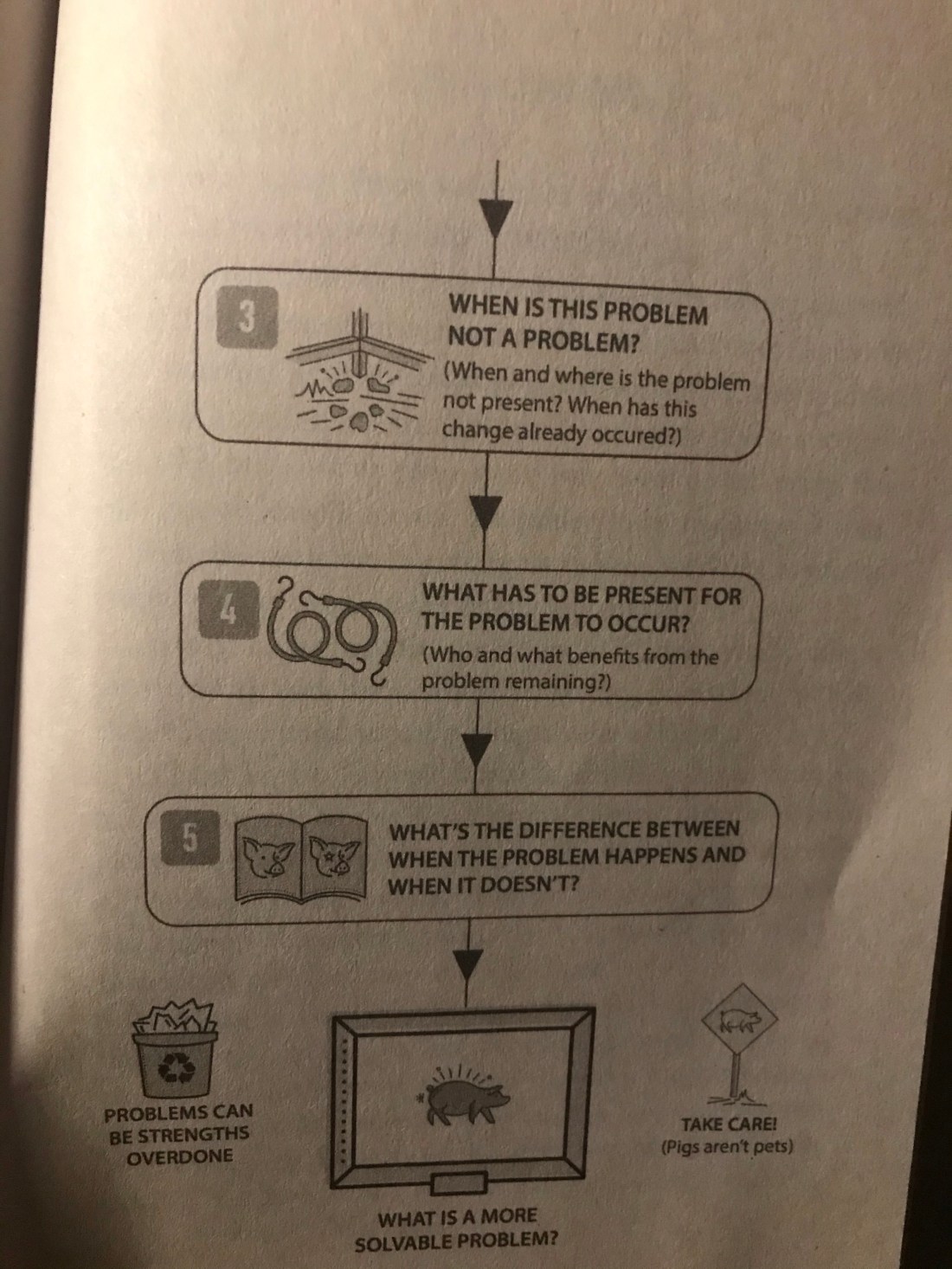
Please see below a few lessons that I took away from the book. It was an interesting take on how to view problems or challenges

It provides a framework which could be applied to problem solving which is a very sought after skill in today’s world.

1. When you encounter a perceived,problem,carry out an evaluation to determine if this is really a problem.

Ask yourself the following questions

a)how is this a problem for me?

b)do I have the full picture?

c)is solving it an urgent priority?

2. What frame or lens are you viewing the problems through? A quote from the book stated

Your power increases immensely when you take control of the frames through which you view the world.

One of the first steps to solving a problem is changing the frame/lens through which you view it.

3. It is beneficial to take the time to factually describe a problem rather than prematurely label it.A lot of times the labels,stories or assumptions that we apply to a situation cause them to persist. A quote that captured this;

We must take control of the stories we tell and the descriptions we apply to our lives

4. Rather than starting with how to solve a problem, start with thinking about how you would know the problem is solved.

5. Determine where and when the problem occurs. On the flip side also figure out when and where it does not.As stated earlier don’t just assume,explore the various contexts/variables.

6. A more productive way of viewing people (the root cause of most problems) is to explore how what could be perceived as a negative attribute could be turned into a positive one. One of the easiest ways to effect change is to worry less about fixing deficits but redirect energy. Try to appeal to people’s core talents and passions and not the box you have placed them in. A quote that sums this up was;

Every person’s map of the world is as unique as their thumbprint. There are no two people alike. No two people understand the same sentence in the same way. So in dealing with people try not to fit them to your concept of what they should be– Milton Erickson

7. Be open to the fact that sometimes,you could be the problem.Explore that option &make sure it isn’t

8. Lastly, bear in mind that being quick to judge means you will often find problems even when there are none

The Young manager applied all of the above to clean his pig and was able to get to the root cause of his team’s inability to work together. He was also able to find a solution that allowed him to effect the change needed.

Overall it was a good book and I would recommend reading the entire book if problem solving is an area of interest.

It did get quite wordy at certain points and that says a lot for quite a short book.

That said I still think it’s worth a read and is a book I would probably read again or refer back to at some point.

I hope you find this useful and would love to read your thoughts on the summary. Thank you so much for reading and do have a lovely day & week ahead

Much love

Oyindamola