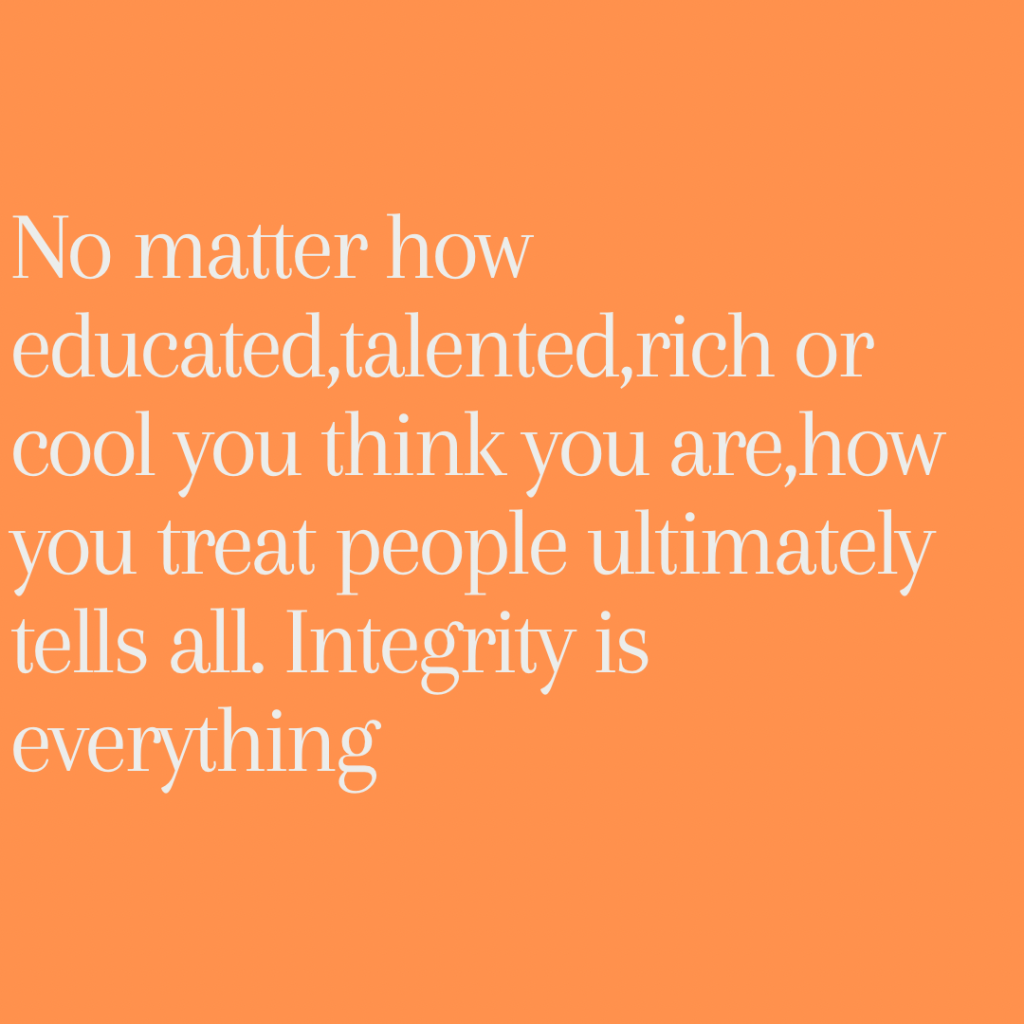
5 Key Lessons from Change Friendly Leadership

Book Review

I am back and hopefully for another good stretch of writing consistently.Life really does throw curve balls and I am learning to roll with them and not beat myself up about things. I thought a book review would be a great way to ease myself back in to writing in long form.

Change Friendly Leadership by Dr Rodger Dean Duncan was a team secret santa gift last Christmas. I remember noticing that everyone else got really funny and cute gifts and I got a book.Not just a book but a book on change and leadership!

People who know me would probably think it was the perfect gift. But I felt both flattered and bemused. I really appreciated the gift as I love books but I also pondered on being the only person with a serious gift. Did I give out vibes of someone who took herself too seriously? I certainly didn’t want to come off as THAT person!

It was a thought that was forever banished when I eventually got round to reading the book in July this year. Now I can only say thank you to my now ex-colleague (but still friend). It was such a fantastic read and a book that I am so glad to have on my bookshelf. Even though I work in the change,transformation and improvement space, I believe everyone manages change in some form or the other.

As with most books I read,I try to distill key lessons or ideas and thought to share my five key ones from this book.I have adapted these lessons and they can be applied in any change context i.e. personal and organisational.

The book was written by seasoned change consultant, Dr Rodger Dean Duncan who owns a consulting practice that focuses on leadership and performance improvement.

In the book he explores why despite the good intentions of leaders,most change efforts have a high failure ratio. In the book he gives frameworks to tackle the often overlooked softer elements of successful change; the humans impacted.

The frameworks provided look at ways to involve and motivate the individuals who will be most affected by the changes being proposed. Whether it’s trying to convince your family to move cities or convincing your friends to run a 10k for charity, these are lessons that we can all apply to carry people along on any change effort.

Change can be stressful

Think about it! Most of the change that we go through in life is accompanied by some sort of stress. Moving house, having a baby, getting a qualification,building an exercise habit etc. There is some sort of stress involved in changing as it requires people leaving comfort zones.

Comfort zones are called that because they are comfortable. The stress results from a challenge to that feeling of comfort.The author explains that the job of a change friendly leader is not look for ways to handle the resistance but look for ways to address the concerns around the stress that accompanies change.

Acknowledging that change causes stress also makes you more empathetic to the sometimes negative feelings it induces in people.

You can rent a man’s back and hands but you must earn his head and heart. Change really is a big deal. Work hard to accommodate people’s feelings – their heads,hearts and hopes and your change effort can be one of the success stories.

Page 2
Tend the garden

The author illustrates that one of the biggest challenges we have with navigating change is viewing it as a linear sequence rather than an organic process. Change almost never occurs the way it was planned.

The journey is never linear.Most people fail at changing not because of a lack of resources, discipline, time etc but due to unrealistic expectations.

Anyone who gardens knows that a lot of energy must be expended in creating a nurturing environment.They also know that gardens do not bloom overnight, it takes time.They also acknowledge that there are other factors that can affect the growth of their garden and take steps to plan and mitigate against these factors. The author illustrates that this is the mindset that must be employed when approaching any change effort;tending and nurturing.

Change-friendly practitioners know that their most important legacy to an organisation is not just in orchestrating a single transformation. Their most important legacy is teaching the organisation how to change and perpetually adapt and in helping its people muster the will to do so.

Page 29
Build Trust

The author goes into a lot of detail about what great leadership is (and isn’t). Building trust was the central theme of this part of the book.You certainly cannot build trust without being honest.

And honesty has to be demonstrated in a number of ways; honesty in putting the needs of others ahead of yours, honesty in communicating information clearly, honesty in welcoming differing viewpoints and most especially honesty in integrating the values you profess with the behaviours you exhibit. In my experience, nothing scuppers a change effort faster than distrust. And distrust occurs when people can clearly see that you are not ready to role model the change you seek. For example,it’s harder to convince people that exercise is great for them if they have never seen you exercising.

A person is trust-friendly when his behaviours consistently enable him to earn trust,extend trust and be trust. Effective change leaders know how to make trust first in order to make it last.

Page 55
You need to listen

The author states that we are most effective when we talk so other people will listen and when we listen so other people will talk. It seems like such a simple concept but listening can be such a hard skill to master.

I don’t mean hearing what was said but actually engaging with what the other person is saying.The author shares a piece of advice for effective interviewing that I have actually implemented. Ask a good question,listen attentively to the answer and then count silently to five before asking another question. You might think “how does this relate to me I don’t interview for a living?”

Believe me,we are all interviewers in one way or the other. If you are a parent, asking your child how their day at school went is a sort of interview.I must confess that this is something I need to get better at and it is one of the parts of the book that I am actively implementing.

If you resist the temptation to respond too quickly to the answer, you will discover something almost magical. The other person will either expand on what he’s already said or he will go in a different direction.Either way, he is expanding his response and you get a clearer view into his head and heart.

Page 104
There is no ‘I’ in team.

The author states that the most effective teams are those where teammates can compliment each other without embarrassment and disagree without fear. It is often implied that being a good team player means always agreeing with each other about everything but I find that the best teams are those who have established ways to handle civil disagreements.I also really liked the author’s take on the five conditions to create an enabling team environment .They are;

1.A real team not just in name only

2. A compelling purpose that kindles the enthusiasm of the team

3. A reinforcing framework that promotes and enables rather than inhibits team achievement

4. A nurturing context and not just lip service support

5. Access individually and collectively to skillful coaching on teamwork issues

Even though the above was specifically crafted for organisational teams, I believe it can adapted in various forms to work in any team context. I use the word team here to define any group of people working together to achieve a common goal.A sports team,church volunteers,members of a family,etc. All of these examples are working together to achieve something and can adapt at least one of the above either to implement a change or achieve collective goals.

Interdependent people combine their own efforts with the efforts of others to achieve their greatest success- Stephen R. Covey

Page 148

Change friendly leadership was a really great,simple read. It contained a lot of really practical tips and frameworks that can be adapted and personalised to your specific change context. I would highly recommend it to anyone who is interested in becoming more effective in leading change both for themselves and others.

Click to buy the book

*please note that the link above is an affiliate link that earns me a small commission at no extra cost to you*

Thank you so much for reading and I hope you found these lessons helpful and hope you can apply them in some form in the coming weeks and months.Have a lovely new month and quarter ahead.

Much love

Oyindamola

My Fathers Day Musings

While a small part of me sometimes balks at specific ‘days’ for celebrating people in your life, the other part recognises that symbolic gestures and events are what break the monotony of day to day to life. If father’s day does nothing else,it brings to mind the importance of fatherhood and the important role it plays in the life of a child.

My father wasn’t perfect but gosh how I look back fondly at the memories we had.

I know for a FACT that a huge part of who I am today is because of me and dad’s relationship.I often wish that I grew up in the digital era because it annoys me to no end that the only digital picture I have of me and my dad is the one we took on my wedding day (9 months before he passed).

This being the only digital picture I have of us is quite ironic as he was the one of the few Nigerian parents who did not make a big fuss about marriage.

He would say ‘marry IF and WHEN you want, I am not raising my girls to measure their worth by whether or not they are married’. Believe me when I say that the ‘IF you want to get married’ mindset was (and still is) unique for a Nigerian parent . Marriage is seen as a foregone conclusion for females in most Nigerian cultures.

Me and my Dad on my wedding day

While I do not have other pictures I can carry around in my pocket ,I carry around in my heart all the memories that we created. I am often reticent to give parenting advise but if there is one thing I would advise all Fathers (parents generally) it would be to;Create memories with your children.

The memories stay with them when you are long gone.I am grateful that my dad provided for my material needs(food,clothing,shelter,education etc) but those in themselves do not fully embody the relationship or moments that I now really treasure.Here are just a few of my fond memories:

🔸Our disagreements Me and my dad were a splitting image of each other but we were also the two people who called each other out the most in our family .We had a lot of things that we disagreed on and I now think we disagreed so much because we were really alike. My dad formed my world view in this regard as I truly believe that it is possible to disagree with people you love.

🔸Our long Saturday morning talks And by long I mean LOOONG! He used to come back home quite late during the week and we would often be asleep when he got in.Roll on Saturday morning and he would want to spend the whole morning chatting about how your week went when all we wanted to do was complete our chores and go out(my social life was full). He always wanted to chat about every thing and called a family meeting for every little thing especially as we grew older.It used to mildly irritate me and my siblings but gosh how I miss those long chats now

🔸Our trips to Obalende Suya spot this often happened when he had just won a contract.He was a typical Lagos boy (or man) and he loved eating out. For my non-Nigerian readers,there is a prevailing stereotype about people from Lagos and their love for eating out. My dad was the first man who ever took me out and it was a regular occurrence. It also meant that a guy taking me on a ‘date’ was never a novelty.From Eko Holiday Inn(as it was called at the time) to Amala Shitta, an Nkwobi joint in Fadeyi,Chadon Kitchen etc ..(all food haunts in Lagos,Nigeria) .My dad was the eating out connoisseur. He knew the best places to get what food in Lagos.From street food to proper restaurants,we visited them either as a pair or with the whole family.

Suya is a simple, spicy kebab dish sold by Nigerian street vendors Picture credit- allrecipes.com

🔸Our one to one car trips My Dad(both parents really) exposed us to what they did from a young age.We would have days when I would be his intern for the day driving all around lagos working on his business.My dad was a also politician into politics and I remember attending political meetings with him from as young as 7/8. I remember meeting MKO Abiola(a presidential candidate) in 1993 at a political rally my dad organised. I also remember going to a lot adult/corporate spaces as a child with my dad. I think it is one of the reasons I don’t feel too intimidated by authority figures.

🔸Our chess lessons My dad taught me to play chess and tried to steer me away from Ludo or other less challenging games . He said ‘Chess is a good game for you to learn strategy that you can apply to any area of life,Ludo is often down to luck/chance’. I was probably 8 or 9 and my father was talking to me about strategy. He believed that you needed critical thinking skills to tackle life issues and saw chess as a way to hone those skills. Pity I haven’t continued playing the game of chess.

Daddy and his trademark Awo Cap

🔸How he valued my opinion People would say things like ‘Oyinda talks a lot’ and his answer would be ‘Let her talk’. Some elements of Nigerian culture can be quite hierarchical with children airing opinions not exactly encouraged. But my dad wanted to hear your opinion. He wanted you to think for yourself and challenge the status quo. He disliked hearing ‘that’s how it’s always been done’ and would often say ‘well we can try something different’.Now as a parent myself I do think that there is a balance that needs to be struck with this but I am grateful I had a parent who let me realise that my opinion mattered even though I was a child.He made me realise from a very young age that I had a voice and no one had the right to silence that voice.

🔸Our debates I know my ability to facilitate discussion and understand nuance is because of how me and my dad interacted. He was never absolute in stances that he held and always believed that there could be something to be learned from the other person even if they were younger. Upon reflection I don’t think I am even that open as a parent and I think I can do better. My dad realised that open debate was a way to learn and never shied away from stances or people that shared an entirely different world view.

I could go on and on but I will stop here. Happy Fathers Day to Oluwatoyin Abdul Ganiyu Rasaq. Thank you for being a part of the woman I am becoming. I love and miss you loads.
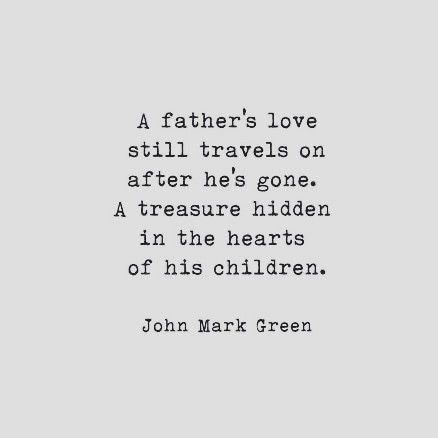
Picture Credit- Pinterest

Here’s also wishing all the men who are fathers and play the role in some form or the other a Happy Father’s Day weekend.. May the God who embodies the role in the purest form grant you all the grace and wisdom you need to perform the role to the best of your ability.
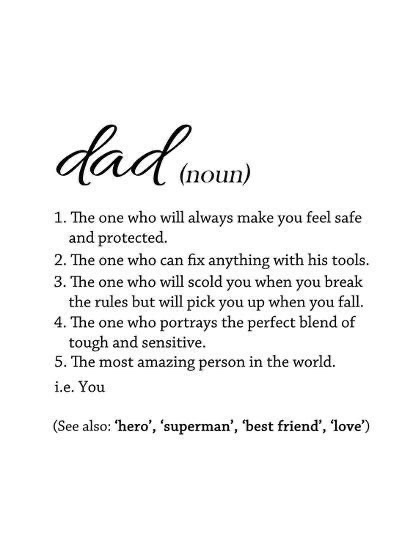
Picture credit -Pinterest

Much love

Oyindamola

5 Equations from the book Grit by Angela Duckworth

Grit by Angela Duckworth

Hello and long time no blog post. It seems I start every recent blog post with that sentence but I am striving to do better with my writing.

One of the challenges I set myself this year was to write at least twice a week in some long form and I have been able to keep that up on my social media pages.

So, if you don’t follow me on social media please do. I am Oyindamola Sosanya on Instagram and LinkedIn which are two mediums with my shorter micro blog pieces. That said I promise to do better with writing here as well.

The book Grit by Angela Duckworth was one of my April reads and I thought I would share a few lessons that really resonated with me. I also thought to share them here as I feel they are easily digestible lessons anyone can learn from even if they never read the book.My non- mathematical self decided to illustrate these lessons using equations. So please bear with me if they are not totally on point, I am sure you get the general idea. So here goes;

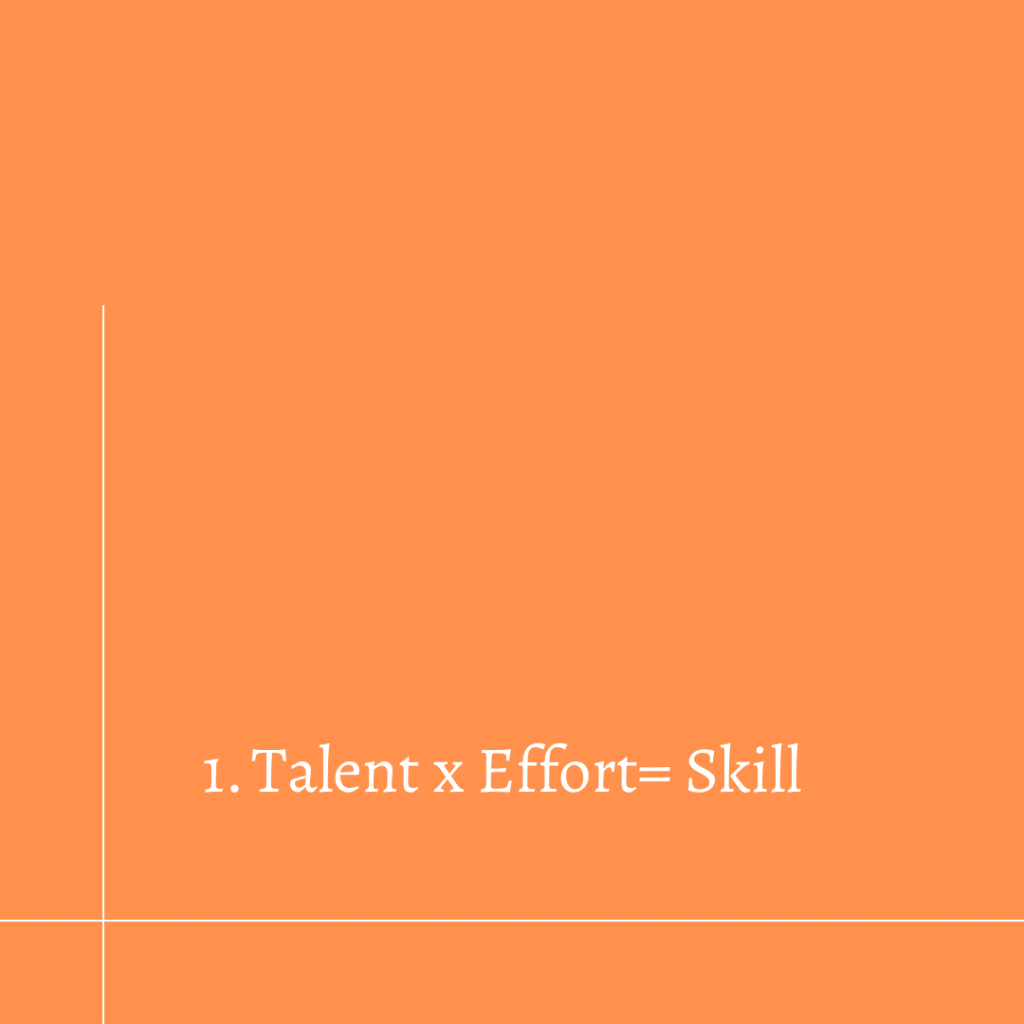
Talent x Effort= Skill

A lot of us subliminally believe that talent trumps hard work. The author who has worked in various fields (management consulting,teaching,academia) challenges the bias towards talent. Of course natural talent exists but to truly become skilled at ANYTHING there has to be effort applied. Without effort, talent may not lead to truly becoming skilled in any discipline. I particularly loved the example of Olympic swimmers used by the author. Yes some people have natural physical attributes that allows them to glide better in water. However to become skilled swimmers some effort is required.Those physical attributes would never materialise into swimming skills if they never stepped into a body of water.

Skill x Effort = Achievement

Again we see here that effort is twice as important.Becoming skilled at a discipline is the starting point of achieving results .Becoming a highly skilled doctor without ever practising medicine is kind of pointless isn’t it? To ever truly get any results, effort and skill have to come back into the equation. The results that come from putting the skill into practise are once again going to depend on the amount of effort put in.It is important to get skilled but it is more important to put that skill into use by taking action.

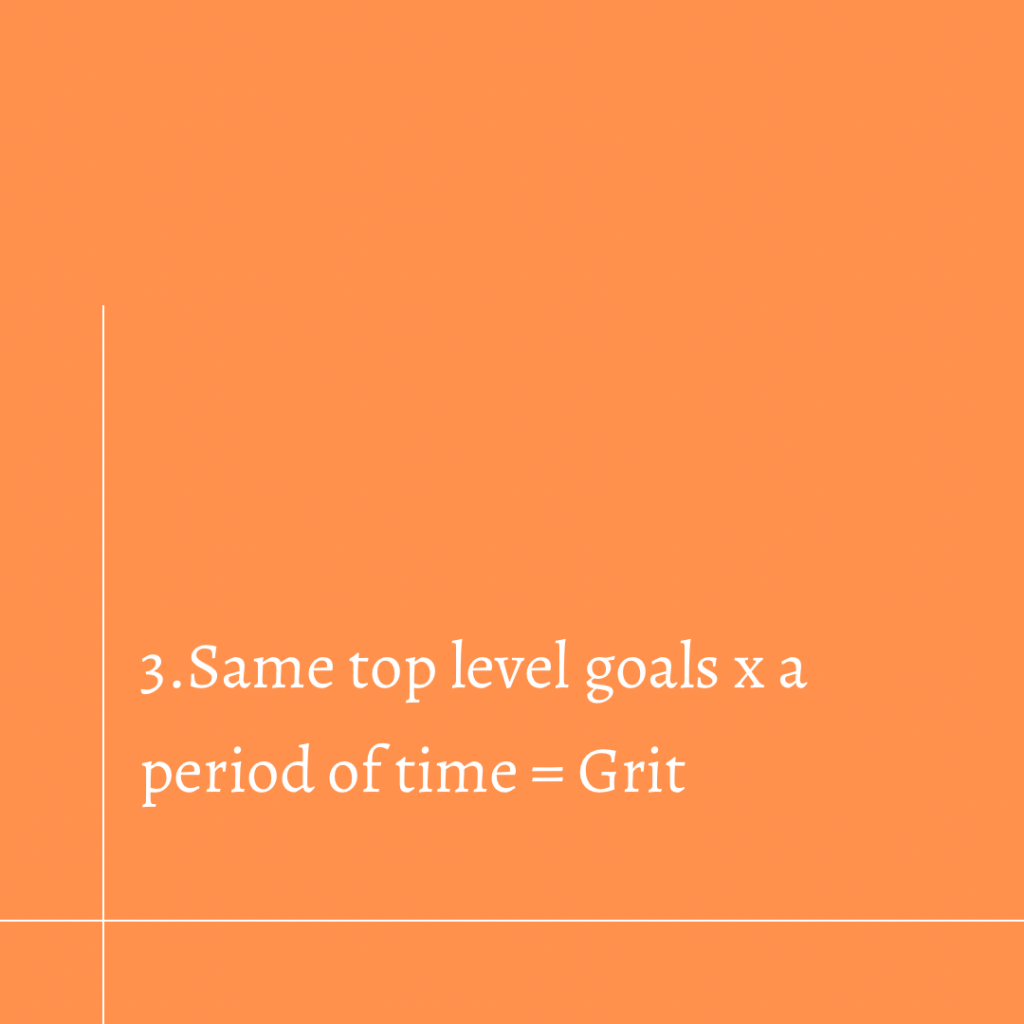
Same top level goals x a period of time = Grit

One quote from the book that sums this up is the one below;

Grit is about working on something you care about so much that you’re willing to stay loyal to it…it’s doing what you love, but not just falling in love―staying in love.

Angela Duckworth

The above seems counter intuitive for me as someone who works in the field of business transformation and naturally wants to look at new ways to tackle problems. It might read like the author is prescribing never changing one’s mind or sticking with status quo.But the key phrase to note here is ‘a period of time’ .Grit is the ability to stick with a high level goal for a while while still being able to adapt/change the methods needed to achieve the goal. The next point illustrates this a bit more.

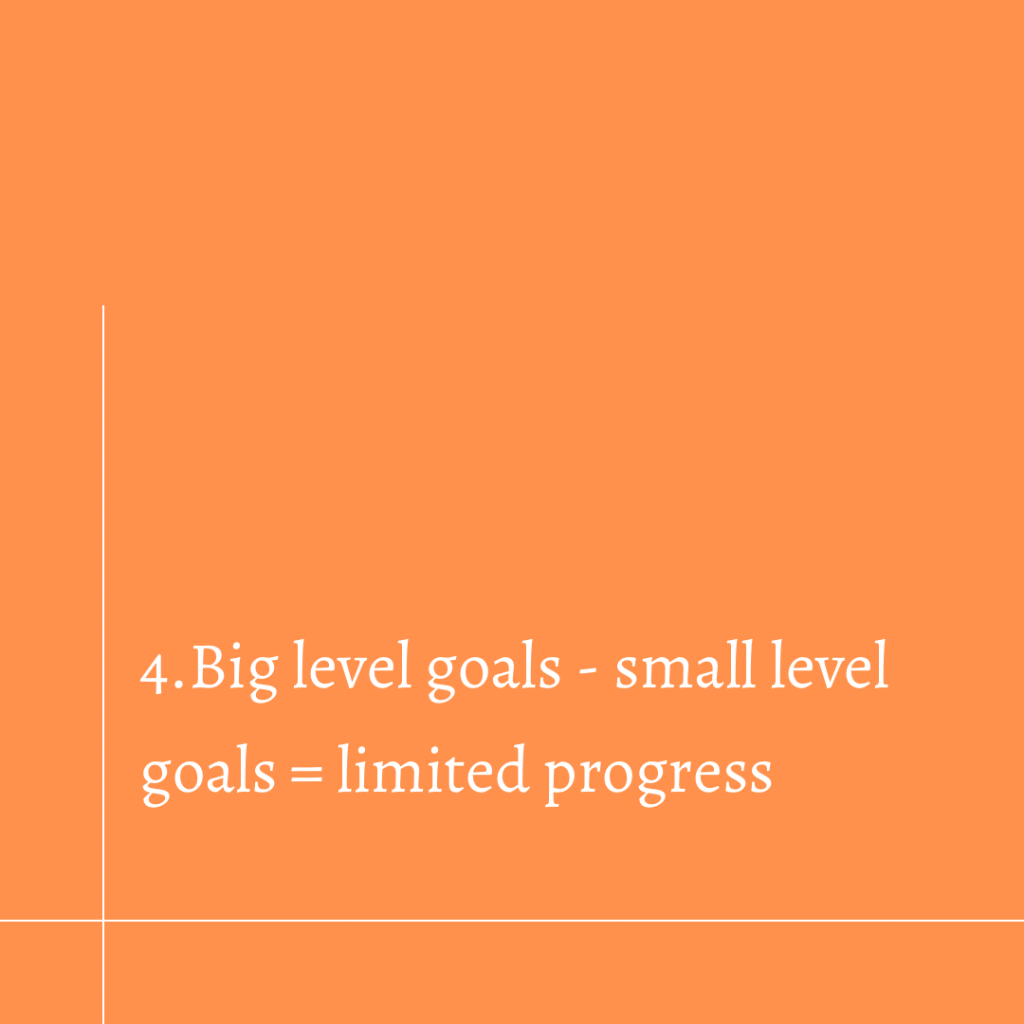
Big level goals -small level goals = Limited progress

Having big goals,dreams or a vision for your life is so important. It is what fuels us and gives us hope for the future. Many people will set high-level goals, like building a million pound business, become a world class athlete have a thriving family life etc but then forget to set the small level goals needed to make the big level goals happen.

Small level goals in the form of habits,plans, tasks etc are the path to keeping up the effort needed to achieve the big level goals.

For example, in order to become a world class athlete , there are a series of low-level goals like having a training plan, competing in smaller competitions etc These are then broken into smaller goals, like training every day, resting, eating the right foods etc

Without incorporating small level goals into everyday life, there is a limited chance of achieving progress in the bigger level goals.

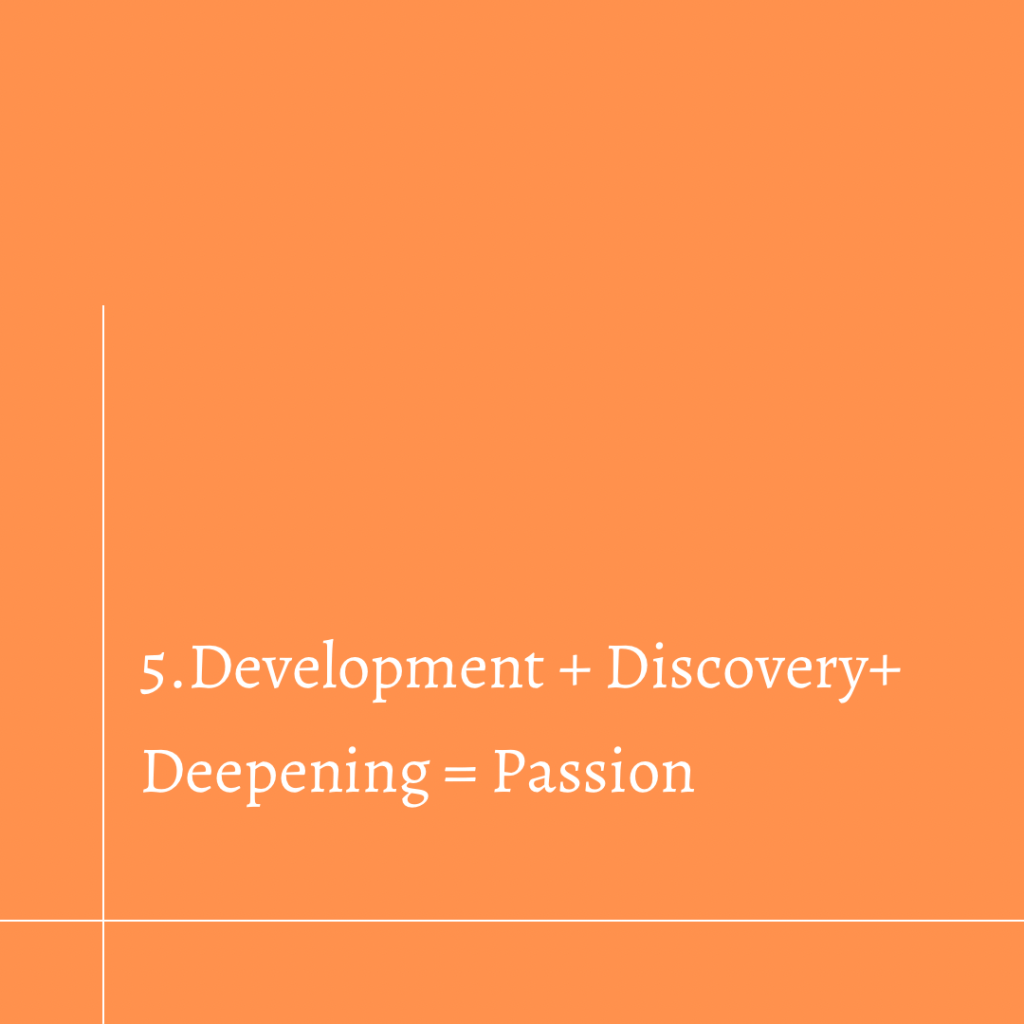
Development+ Discovery+ Deepening= Passion

Passion is a word that gets bandied around a lot. And a lot of people often confuse it with interest.

Being fascinated or intrigued about a certain subject or discipline does not automatically translate to being passionate about the subject.

This is the development stage of passion. e.g I am intrigued by butterflies, I develop an interest by reading books, visiting nature reserves etc .

This leads to discovery about the subject. Deepening what is discovered is often the tipping point for passion. And the deepening phase is where grit is essential. You need persistence and perseverance to truly become passionate about anything.

Continuous switching from one thing to another does not allow for truly developing an abiding interest or passion for a subject or topic.

The author in this part of the book goes into a lot of analysis into how we develop interests in childhood. She advises young people to go out into the world to develop and discover as many interests as possible as this would ultimately lead to the them developing their passions.

I hope you found these five short lessons useful. There are a lot of other really interesting insights and lessons from the book. It was such a great read and it is one that I highly recommend. I think its a really good one for parents who might be thinking of ways to help their children develop or cultivate grit. A small caveat here though as I am always reticent to apply broad strokes to parenting, the book could act as a really great guide and would need to be adapted to your child’s personality and interests.It is not necessarily a parenting book.

As usual thank you so much for reading and hope you have a lovely restful weekend.

Much love

Oyindamola

P.S If you do decide to go ahead to buy the book, and will be buying on Amazon I would appreciate if you buy it using the link below.

Grit by Angela Duckworth https://amzn.to/337g36a

As part of the Amazon affiliate program, I get paid a token if you buy using the link but this will come at no extra cost to you. Thank you

Work and your values

How do you live out your values at work?

Work! For a lot of people, a tension exists between viewing work as WHAT we do and not WHO we are. And the tension exists for valid reasons. Work is an activity that we spend so much of our lives preparing for and eventually doing. The average time spent in education and training for most people is approximately 14 years. The average age for retirement is 60. Maths is not my strength but even I know that is ALOT of time. This means most adults will spend about 30-40 yrs of their lives working in some form or shape.

My reflections on this topic are looking at work in the terms of an activity or area of life we engage in like relationships.I am therefore not going into the raging argument of the day; being employed or being an entrepreneur. In either forms, work is still being done!

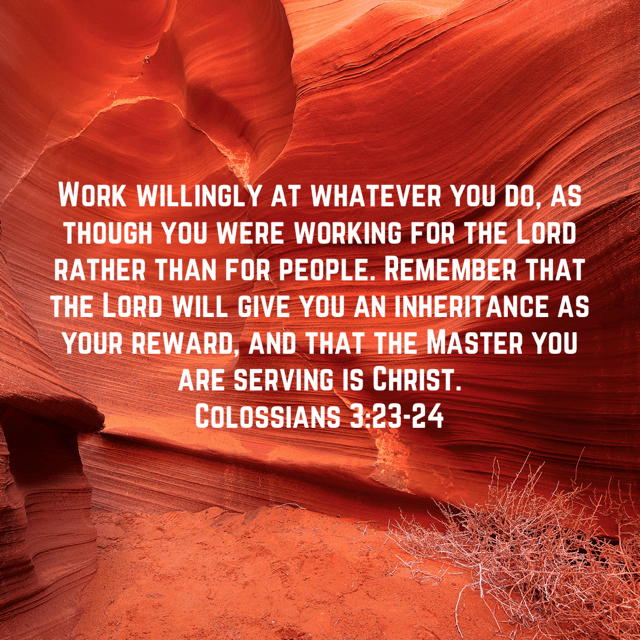
My reflections in this post are geared more towards our attitude to work and how we interact with others in the course of carrying out our work .It is a reflection of a quote I stumbled on a few years ago(see below). It’s also been brought to fore by some of my personal experiences at work in the last couple of months. This article is written from a Christian worldview and from the perspective of someone’s whose convictions are shaped by the Bible.

Photo credit -YouVersion Bible App

Christians often have a warped way of looking at work. Unless someone is working “in the ministry,” they see his work as secular. However, this view of work distorts the biblical picture. All of us — not only full-time ministers — have gifts and talents that we contribute to humanity. We all have a vocation, a “calling” into service. Wherever we work, whatever we do, we are to do “unto the Lord” (Colossians 3:23). Jesus used parables about work to teach us how to grow spiritually. These parables deal with money, with completing tasks, with faithful stewardship of a job, and with honest emotional dealings in work. They all teach character development in the context of relating to God and others. They teach a work ethic based on love under God.

Boundaries by Henry Cloud and John Townsend

For a lot of people of faith,the secular and sacred are often on separate spectrums. Oyindamola in church on Sunday is different from Oyindamola in accounts on Wednesday. What the quote above tells me though is that the way and manner in which I carry out my work can be a reflection of my character and spiritual development.

Below are a few questions that I think we can all ponder on regarding how we view work as a christian?

Are my values reflected in my work ethic?

Does my character in the workplace reflect the fruit of the spirit( if you are a Christian )Galatians 5:22-23. “But the fruit of the Spirit is love, joy, peace, forbearance, kindness, goodness, faithfulness, gentleness and self-control.

Do I show up and see myself as a Christian who works or as a Christian in the workplace? The Christian who works is someone who is a Christian that works. A Christian in the workplace is a Christian everywhere which includes the workplace.

Do I feel that work is just what I do and not an area where I need to live out my faith?

Work is a spiritual activity. In our work, we are made in the image of God, who is Himself a worker, a manager, a creator, a developer, a steward, and a healer. To be a Christian is to be a co-laborer with God in the community of humanity. By giving to others we find true fulfillment. The New Testament teaches that jobs offer more than temporal fulfillment and rewards on earth. Work is the place to develop our character in preparation for the work that we will do forever.

Boundaries’ by Henry Cloud and John Townsend

The quote above tells us that the God that we serve is a role model for how we should approach work.Our work is a way for us to contribute to Gods work on earth. I know work is not the place that we most associate with character development. However I think work is the prime playing field to live out our faith.

The scenarios below are some that we encounter in the course of carrying out our work. These scenarios highlight how the character formation as evidenced by the fruit of the spirit in Galatians 5vs22-23 can be practically lived out.

That annoying colleague that you just hope will disappear for good -The perfect opportunity to display Love & kindness

The chance to coast and do the bare minimum even when no one will notice – the perfect opportunity to display faithfulness and forbearance

That email that you would love to respond to with the caustic and sarcastic message(that is absolutely well deserved)- The perfect opportunity to display self control and gentleness

That urge to hold back on that idea or solution to a problem for personal gain or self aggrandisement –The perfect opportunity to display goodness

The urge to want to show that you are right with an ‘I told you so’ as something goes on wrong on a project as you rightly predicted (me a lot of times LOL)- The perfect opportunity to display peace and love

Do good work and your name will be a currency!

We spend such a huge part of our lives at work which means that it makes no sense to separate our values and our work. I believe the ‘sacred and secular’ dichotomy is one that is harmful to our witness as believers. Most of us will not work in ‘full-time ministry’ but our work can be a way for us to minister to the world around us.

The same can be said of you today, believer. Your workbench is an altar. Your desk is a cathedral. Use it to worship today—to “do good to all people” you come in contact with at work, and in doing so, glorify our great God. In the words of our Lord Jesus Christ: “Let your light shine before others, so that they may see your good works and give glory to your Father who is in heaven” (Matthew 5:16)

Jordan Raynor, Author of Called to Create & Host of The Call to Mastery Podcast

The quote above was one that really stood out to me from Jordan Raynor’s weekly Newsletter- The Word before Work. He is an author that has written extensively on the topic of faith and work and so if you liked this article you would definitely enjoy the newsletter. He also has a podcast called,The Call to mastery where he interviews Christians on how they live out their faith in the workplace.

The quote really resonated with me as I was going through a transitional and tumultuous period in my working life. It reminded me me that my work is definitely not WHO I am. So whatever happens in the workplace is not an indicator of my worth as an individual. My identity is firmly rooted in who God says I am and work is just one of the ways that I display His glory.

Photo credit – YouVersion Bible App

However my work can be used as a medium to worship God regardless of the circumstances all around me.

As we go into another working week and day,I hope this also encourages you to see your work,vocation,industry etc as an arena to display and live up to the values that you profess.

As usual thank you so much for reading and wish you a blessed week ahead.

Much love,

Oyindamola

5 Fun Reading Tips

Reading can be less ‘boring’

We all love to be entertained. I know I do especially after long hectic days.This quest for entertainment is why reading is not the unwinding activity of choice for most people.

For a lot of people,reading as an activity is closely associated with being in school/academia. Even as a young adult who loved reading and studying literature, I know studying the bulkiest volume of The Complete Works of Shakespeare was not exactly comparable to watching back to back episodes of Prison break. I remember watching the DVD of Season 1 in one weekend back when I clearly had loads of texts to read(as an English literature major).

If someone like me who is quite literary can admit that TV does ‘seem’ more relaxing, let’s think of that person whose biggest reward for life after school was never having to read big volumes .At the time I graduated social media didn’t even exist like it does today. I am not one of those people who blames social media for every new societal ill. That said,it’s not hard to see the impact that social media/instant entertainment has on people’s reading habits. I know it’s a constant struggle for me to stop the scrolling for the pages. One of the biggest habit shifts that moved me from reading 0 books in almost 5 years to 42 last year was being more mindful of how much time i spent on social media or watching tv.

A study of 11,000 children tracked from their birth in 2000 conducted by the University College London found that “social media could be detracting from reading and homework, with a potential knock-on effect on their literacy,” suggesting a link between time spent on social media and levels of literacy. Similarly, the American Psychological Association recently published research finding that less than 20 percent of US teens “report reading a book, magazine, or newspaper daily for pleasure,” yet more than 80 percent say “they use social media every day.”

AT WHAT COST SOCIAL MEDIA: ARE PEOPLE STILL READING?-Instinctif.com

I am more a carrot than stick person. So I would rather spend more time thinking of ways to make reading more appealing than making people feel guilty for being on Instagram or Netflix.

How can we make reading seem like an equally gratifying activity? I thought it would be great to share a few tips;

1.Read a book that is also a movie/tv series; Personal caveat here;I will ALWAYS prefer the book to a screen play. That said if you struggle with enjoying reading or following the story in a book,it might be worth reading a book about a movie or tv series with a storyline you absolutely loved. A good recent example of this is Bridgeton by Julia Quinn that was recently adapted as a series on Netflix. A lot of people who might have never picked up the book have now decided to read the book to get a fuller picture of the story that they enjoyed on screen. I have not watched or read this particular story as romance is not really my genre,that said you can use this tip over a wide selection of books that have made it onto big and small screens.

Photo credit -Amazon

2.Skip over or skim part the book; Cheating! I know! But similar to reading summaries shared in my last article, the point of these tips are to get you to enjoy reading. Some authors are wordsmiths and love words. This tendency means that sometimes a book can go and on before getting to the point that it is trying to make. If this is making reading a chore for you, you can choose to make it less boring for yourself by just skipping straight to the part that interests you. This tip goes against my natural literary grain. But it’s not about me,it’s about how making people who are less enthused about reading viewing it as an enjoyable activity.

3.Read socially; I know this one seems pretty obvious but please stay with me. Joining a book club/getting a reading buddy is a great way to get reading, meet new people, hear recommendations and generally get into more contact with books. In pre-covid times one of the most discussed office banter topics was favourite TV shows. Book clubs or book buddies allow you to do just the same. They give you a forum to discuss with others what you enjoyed about the book,what you didn’t like it, social themes, issues you had with the writing etc. It is also a good way to encourage yourself to read books that you wouldn’t have normally.The social element also makes it something different from your day to day activities. I host a virtual bookclub called BookMark bookclub. The bookclub meets every four to six weeks to discuss a chosen book. Our bookclub pick for March 2021 is Girl,Woman,Other by Bernadine Evaristo.

Join  BookMark  BookClub
Join BookMark

4.STOP reading books that bore you; This is another pretty obvious tip but is one some people feel guilty about. Reading will be a chore if you’re just trying to get to the end of a book that you are not enjoying. I would always say give it a few chapters. If you have given it a few chapters and you are still bored out of your wits,then it is ok to stop.Move on to another book. Reading books that bore you further reinforces the notion that ‘reading is boring’ . So if you find a book that just can’t seem to spark your interest, do not feel guilty about abandoning it.You do not have to finish every book you start. The more you read books you enjoy,the more you begin to view reading as an enjoyable activity.

5.Reward yourself for reading. Remember I am a carrot girl. And nothing motivates most people like knowing that there is a reward at the end of an activity. So if you struggle with reading, think of unique ways to reward yourself when you do read. It could be something as simple as ’A chocolate bar after 10 chapters’ or more elaborate as a ‘New pair of boots for finishing 6 books in the next 3 months’.

Rewarding yourself when you achieve your reading milestones and goals will be very personal so it would be best to set it based on what you think would spur you on the most.Rewards are a great way to keep the motivation up when you feel yourself struggling to keep up with the habit.

Photo credit -Zippy Pixels.com

I hope you find these tips useful and hope they help in changing the ‘reading is boring’ narrative. Please do feel free to share with me any other tips or tricks you have employed to make reading a more enjoyable activity.

Please do also share this article with someone who might find it useful.

As usual thank you so much for reading and have a lovely week ahead.

Much love

Oyindamola